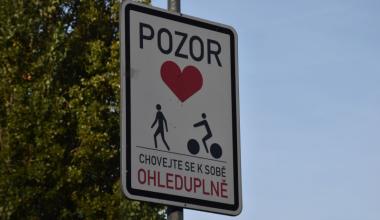
A new comprehensive report has been concluded by our team- Low Emission Zones and beyond: The way to cleaner air in the CEE Region, produced as part of the Central European Active Mobility Lab (CEAML) project. It explores the implementation, challenges, and opportunities of Low Emission Zones (LEZs) across Central and Eastern Europe (CEE).
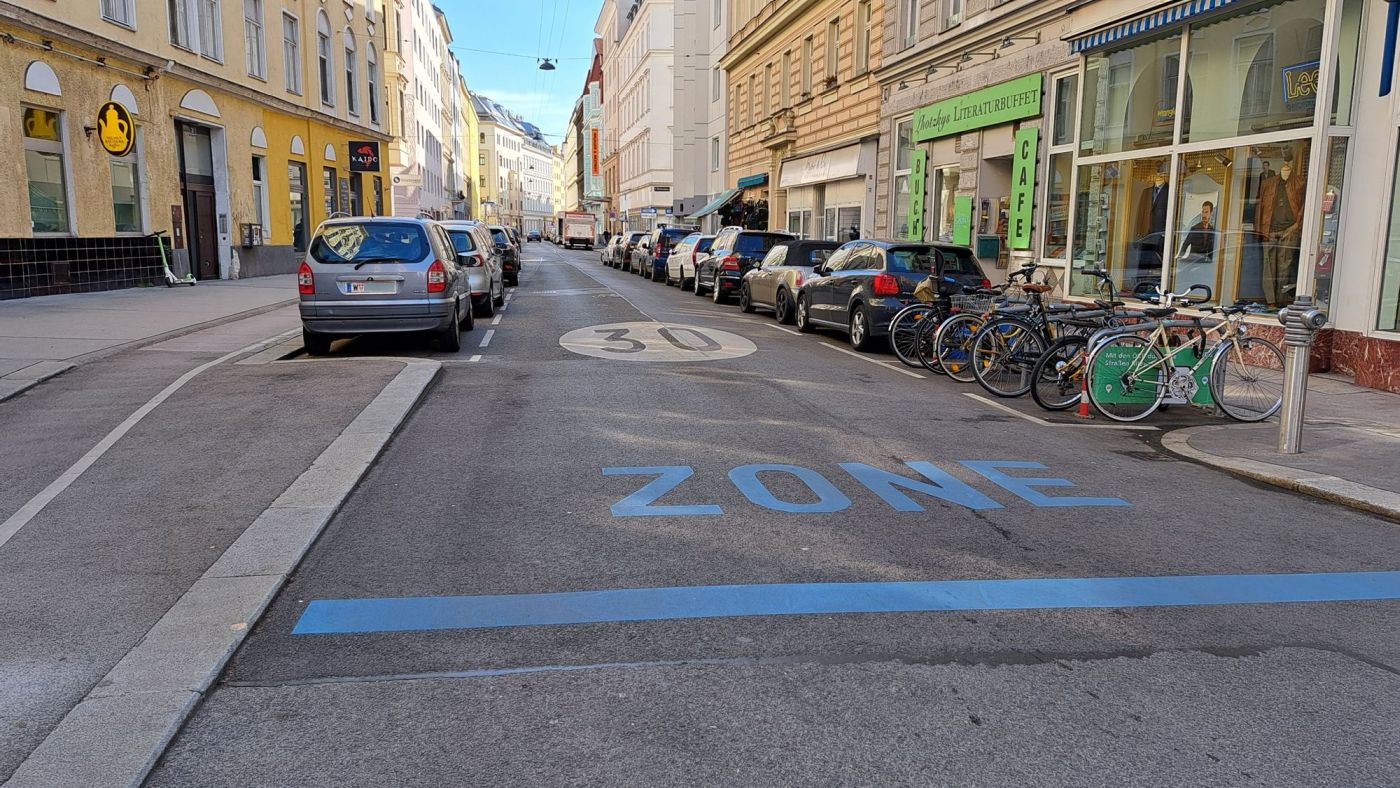
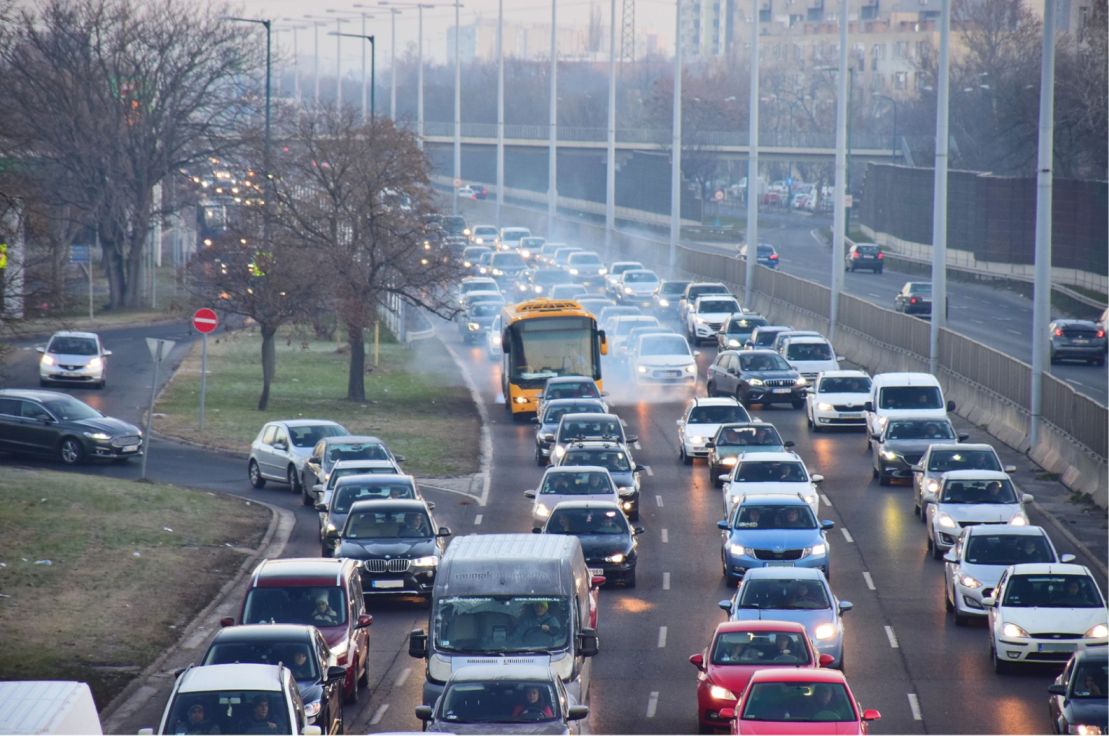
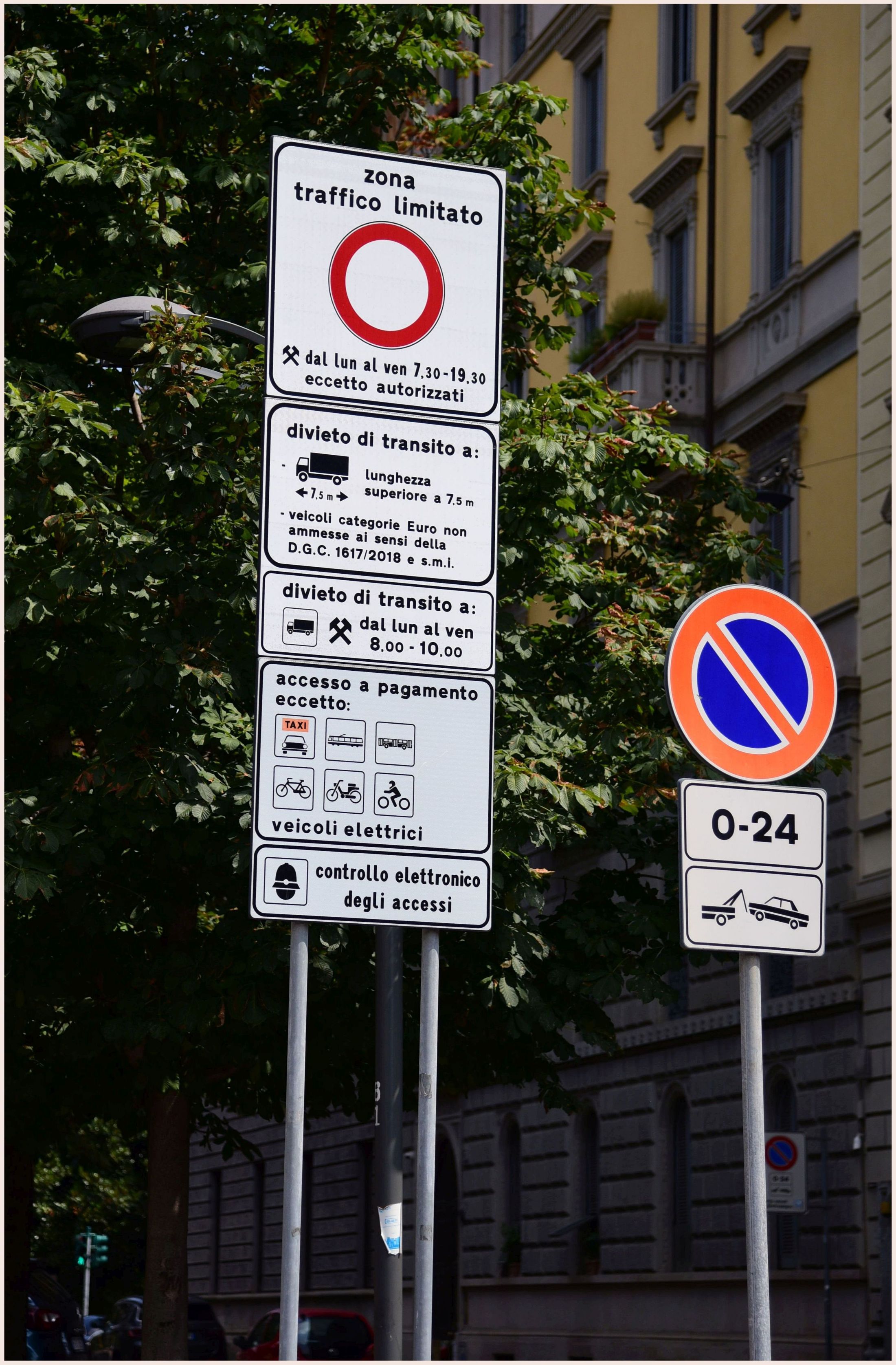
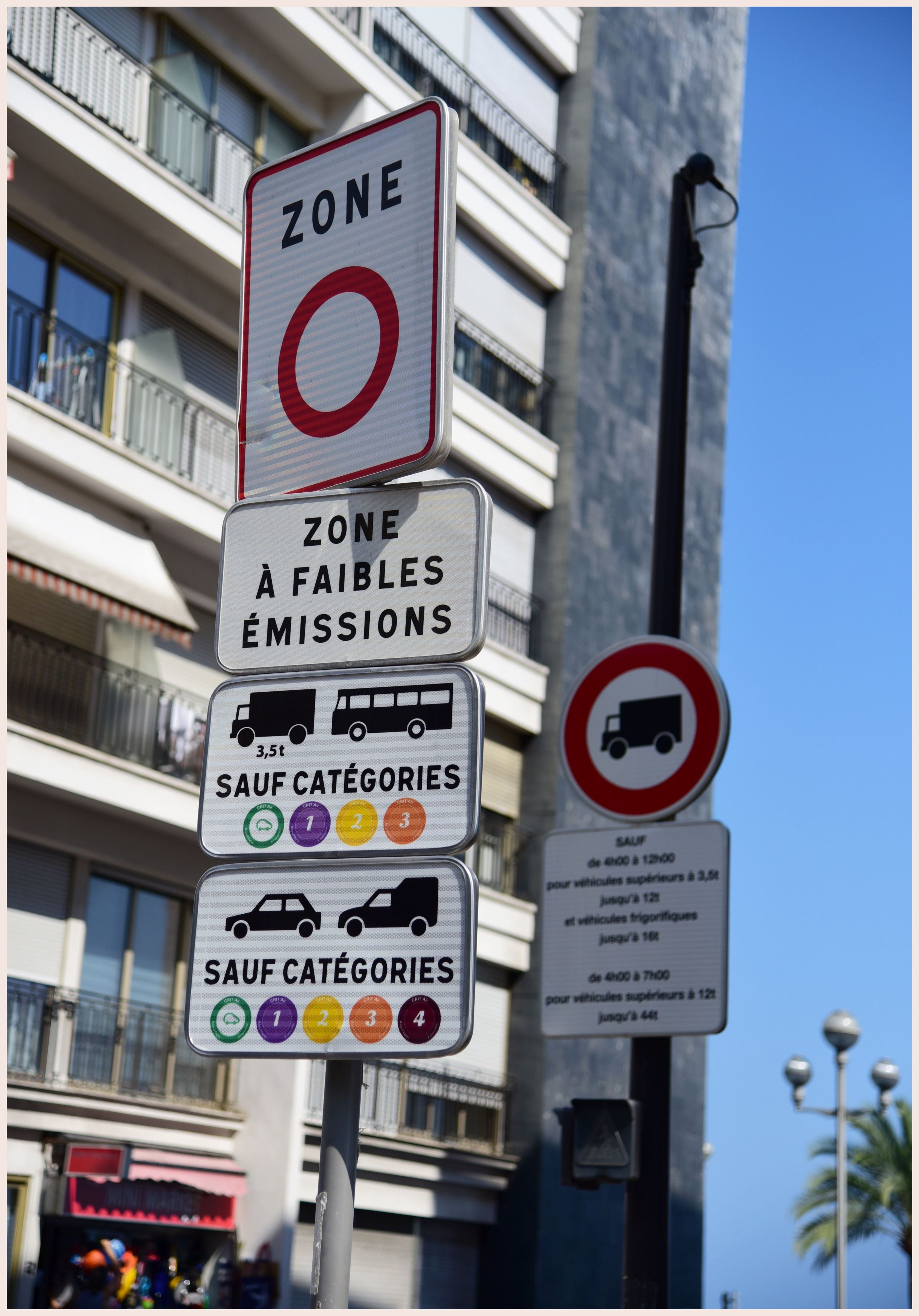
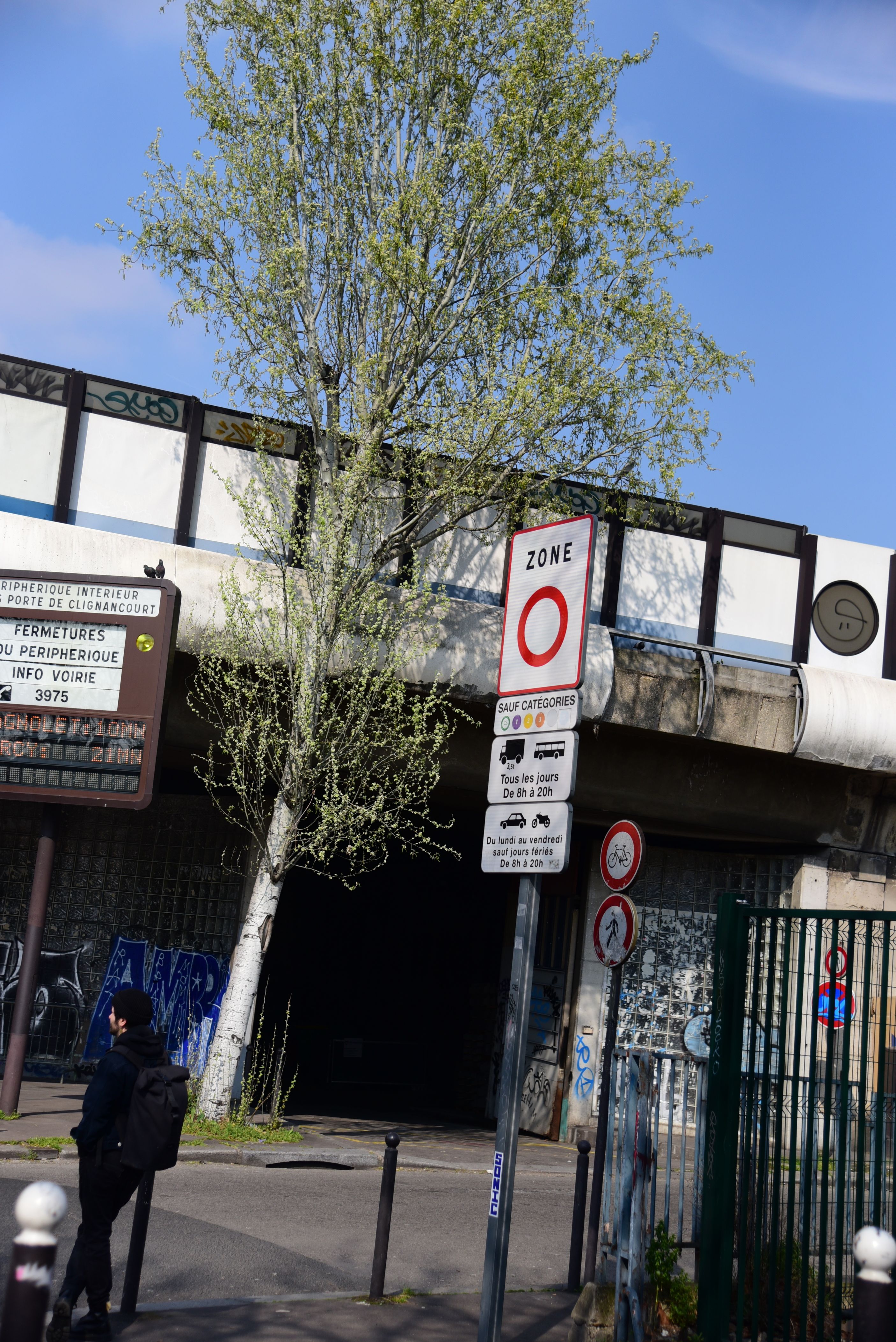
LEZs are designated urban areas that restrict access for the most polluting vehicles to improve air quality and public health, targeting reductions in nitrogen dioxide (NO₂) and particulate matter (PM). The report details the current status of LEZ deployment in the CEE region, where motorisation rates have grown rapidly since the early 1990s, intensified by older vehicle fleets often imported from Western Europe.
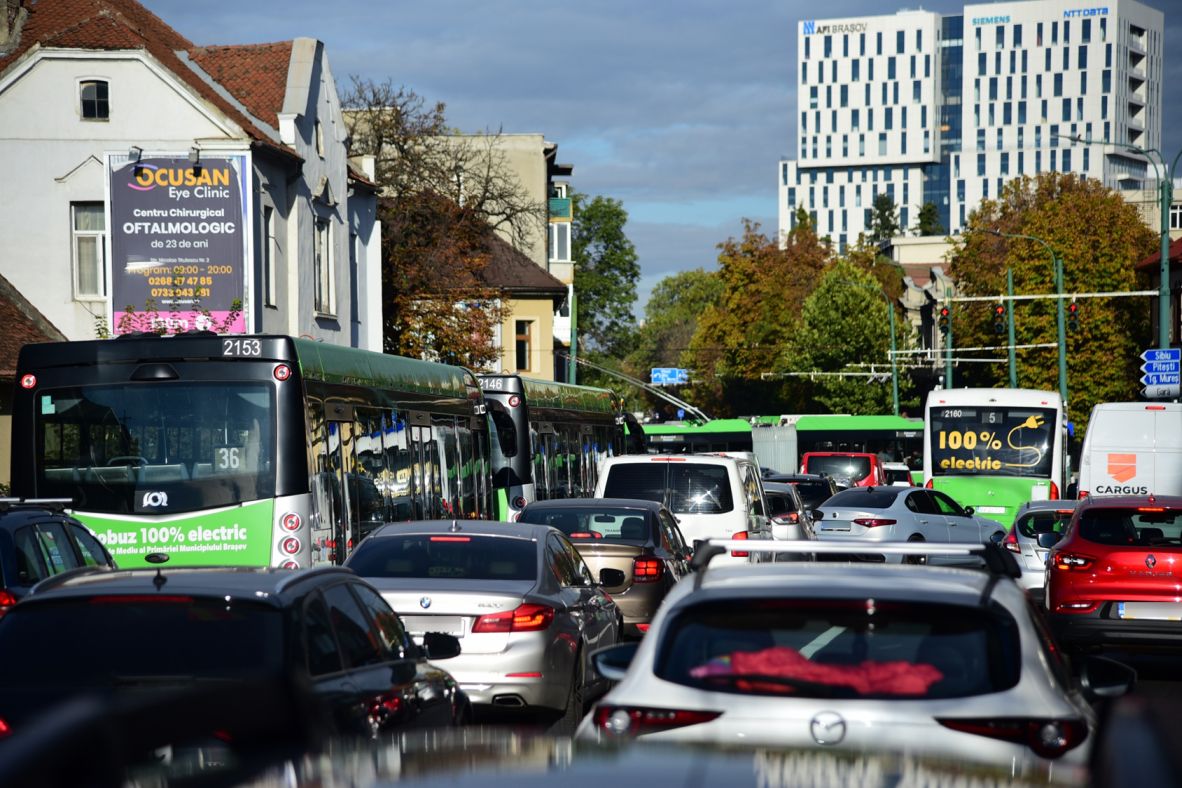
The successes of LEZs depend heavily on integrating them with robust active mobility and public transport investments. Enhanced cycling infrastructure, pedestrian-friendly urban spaces, expanded and electrified public transport systems create a supportive environment that drives shifts away from private, polluting vehicles. Our work emphasises this synergy as a pathway to more equitable and sustainable urban mobility futures.
Deep dive into the effectiveness of LEZ
Evidence from cities with mature LEZs, like London and Berlin, highlights significant air quality improvements, including reductions up to 44% in urban NO₂ levels. Though impacts on particulate matter (PM₁₀ and PM₂.₅) are generally smaller, positive effects are observed. The report stresses the influences of zone size, emission standards stringency, enforcement rigor, and public acceptance on LEZ effectiveness.
Effective communication and public engagement are crucial to the acceptance and success of LEZs. Interviews conducted with experts in CEAML countries reveal varying public awareness and localised acceptance. Financial support measures for low-income populations, improved public transport services, and transparent outreach campaigns featuring health benefits significantly raise support. It was observed that LEZ can catalyse investments in cycling infrastructure, pedestrian-friendly urban spaces, and the expansion and electrification of public transport fleets. Effective monitoring systems and enforcement mechanisms are identified as key success factors.
Based on our research and stakeholder consultations, the report offers actionable policy recommendations. These include adopting ambitious, future-proof LEZ designs aligned with EU air quality standards, embedding LEZs within holistic sustainable mobility frameworks, ensuring fairness through financial support for affected residents, and effectively leveraging European funding mechanisms to enable implementation.
Case study 1: Sofia, Bulgaria—Pioneering LEZ in CEE
Sofia introduced the first LEZ in the region in 2023, amid challenging political and cultural tensions where private car ownership is a deeply rooted status symbol. The phased LEZ restricts the most polluting vehicles in the inner city, beginning with banning Euro 1 vehicles and progressing to tighter limits. Automated enforcement using cameras started in 2024, supplemented by financial penalties for violators.
Despite initial controversies, the city employed a mix of formal consultations and media campaigns under the “Mission: Sofia without Emissions” initiative, which reached nearly a million residents and clearly communicated the health benefits. Efforts included educational outreach and transparent data sharing, although accompanying measures to promote sustainable alternatives such as cycling and public transport were perceived as insufficient by stakeholders.
Case study 2: Warsaw, Poland—Gradual adaptation with strong public involvement
Warsaw launched Poland’s first LEZ in July 2024 under the Clean Transport Zone (SCT) framework, affecting approximately 3% of the city’s vehicles initially, with gradual tightening planned until 2032. The decision was reached after extensive public consultations. The engagement tools included online platforms and in-person meetings. The authorities received thousands of citizen comments, supplemented by surveys that indicated that the majority of the public supported the measures, despite some polarisation.
To address equity concerns, an adaptation period grants exemptions for city residents until January 2028, alongside planned expansions of metro and tram networks. Enforcement involves fines and vehicle stickers certifying emission compliance, facilitating clear implementation. The report captures Warsaw’s pragmatic model balancing ambitious air quality goals with social considerations.
Our role
Mobilissimus served as a responsible partner for this CEAML study, leading the research and synthesis efforts. We provided in-depth analysis of LEZ policy contexts, contributed to the case study evaluations, and facilitated stakeholder engagement across CEE cities. This work supports the capacity-building and policy advocacy goals of the CEAML project, reflecting the commitment to advancing sustainable urban mobility solutions and improved air quality in Central and Eastern Europe, both from our side as well the commitment of the CEAML partners.
The report is available via the following link: LOW EMISSION ZONES AND BEYOND: THE WAY TO CLEANER AIR IN THE CEE REGION