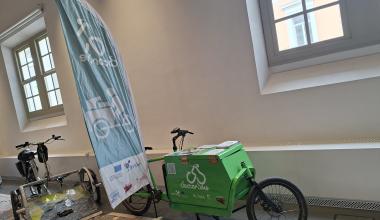
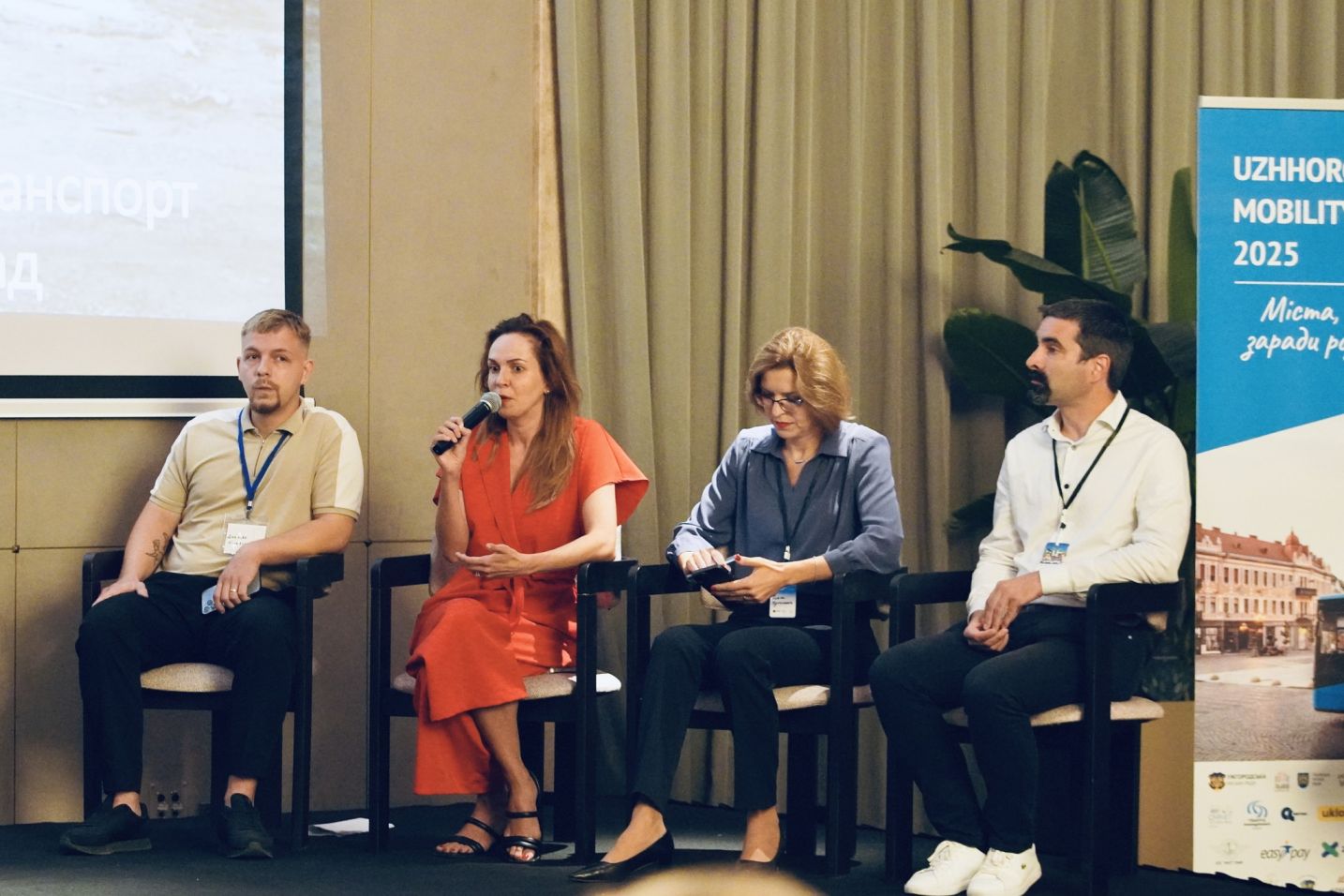
At the invitation of CIVINET Ukraine, Antal Gertheis, managing director of Mobilissimus, also serving as Secretariat of Magyar CIVINET, gave two presentations at the Uzhhorod Urban Mobility Forum 2025: on experiences with sustainable urban mobility planning (SUMP) through practical examples from small and medium-sized cities in Hungary, as well as on experiences and methods of cycling network planning in Hungary and Romania.
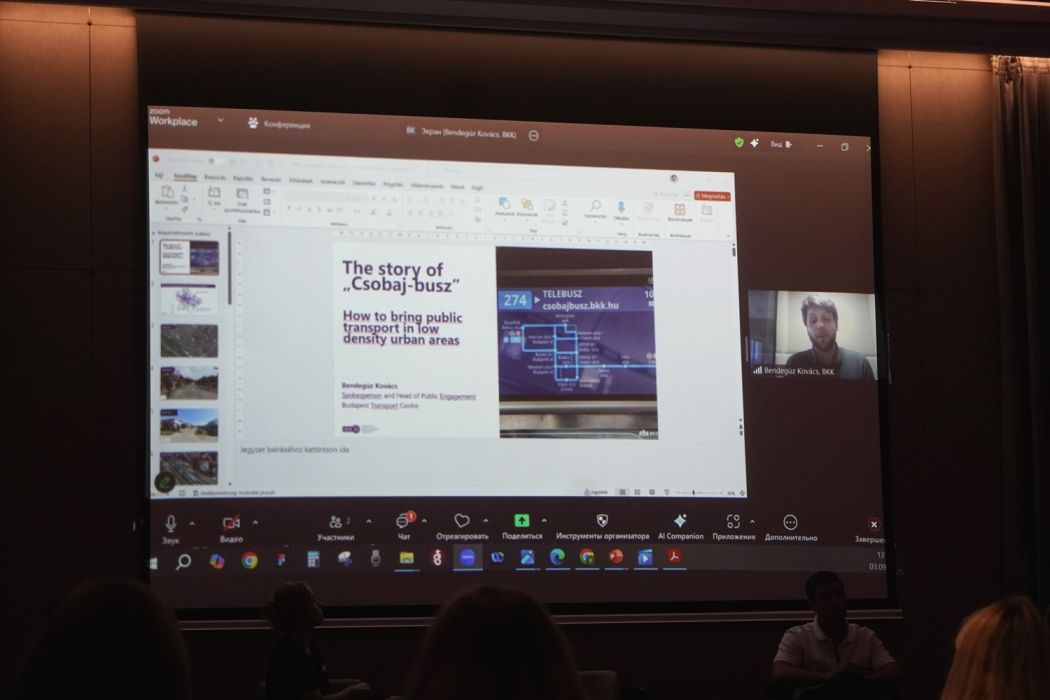
The conference was attended in person by Dániel Rádai, Deputy Mayor of Budapest District 8 Józsefváros, who presented the district's participatory public space renewal projects, while Bendegúz Kovács (BKK) spoke online about the innovative demand-responsive tranport (DRT) service introduced under the DREAM_PACE project.
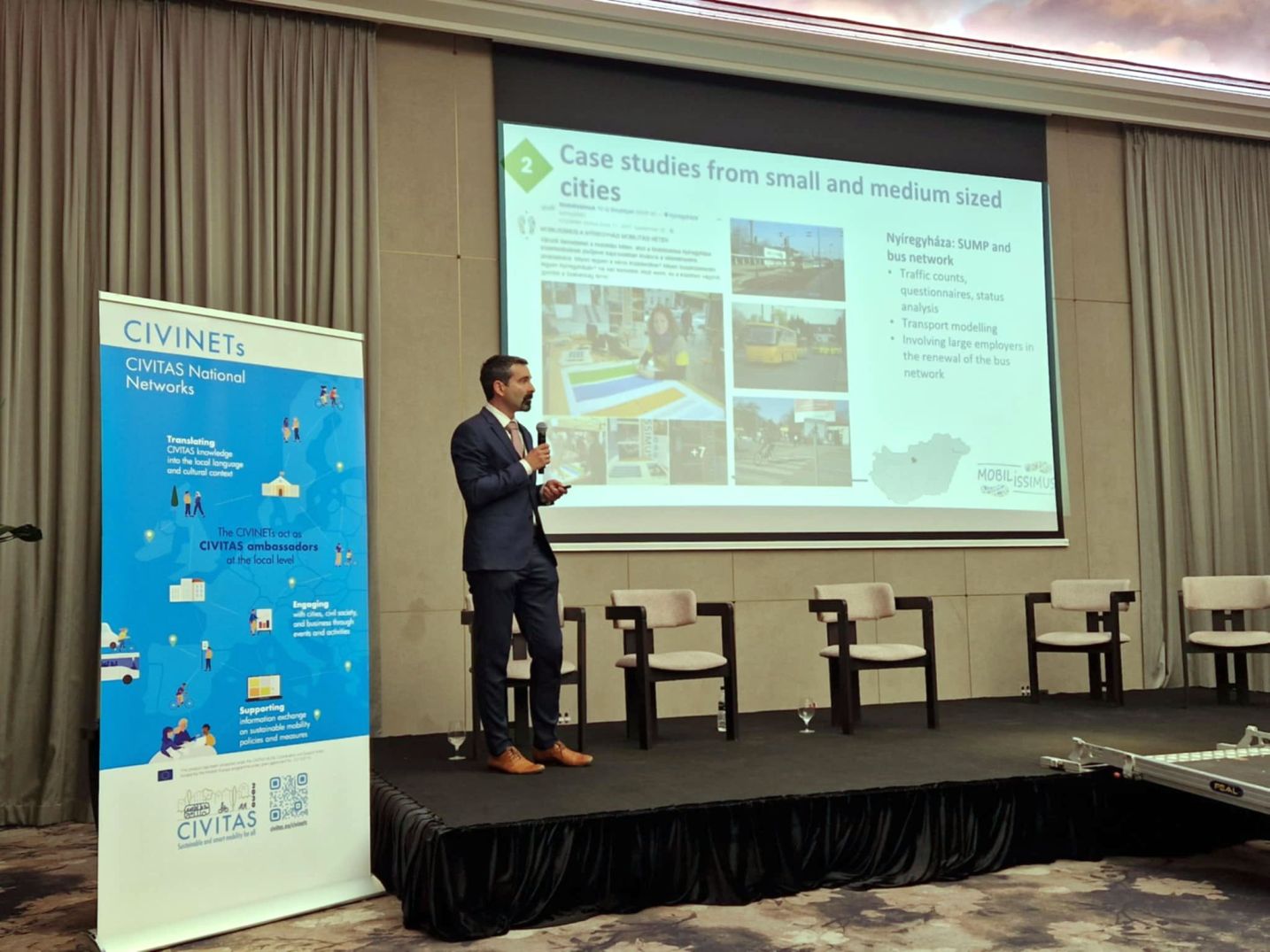
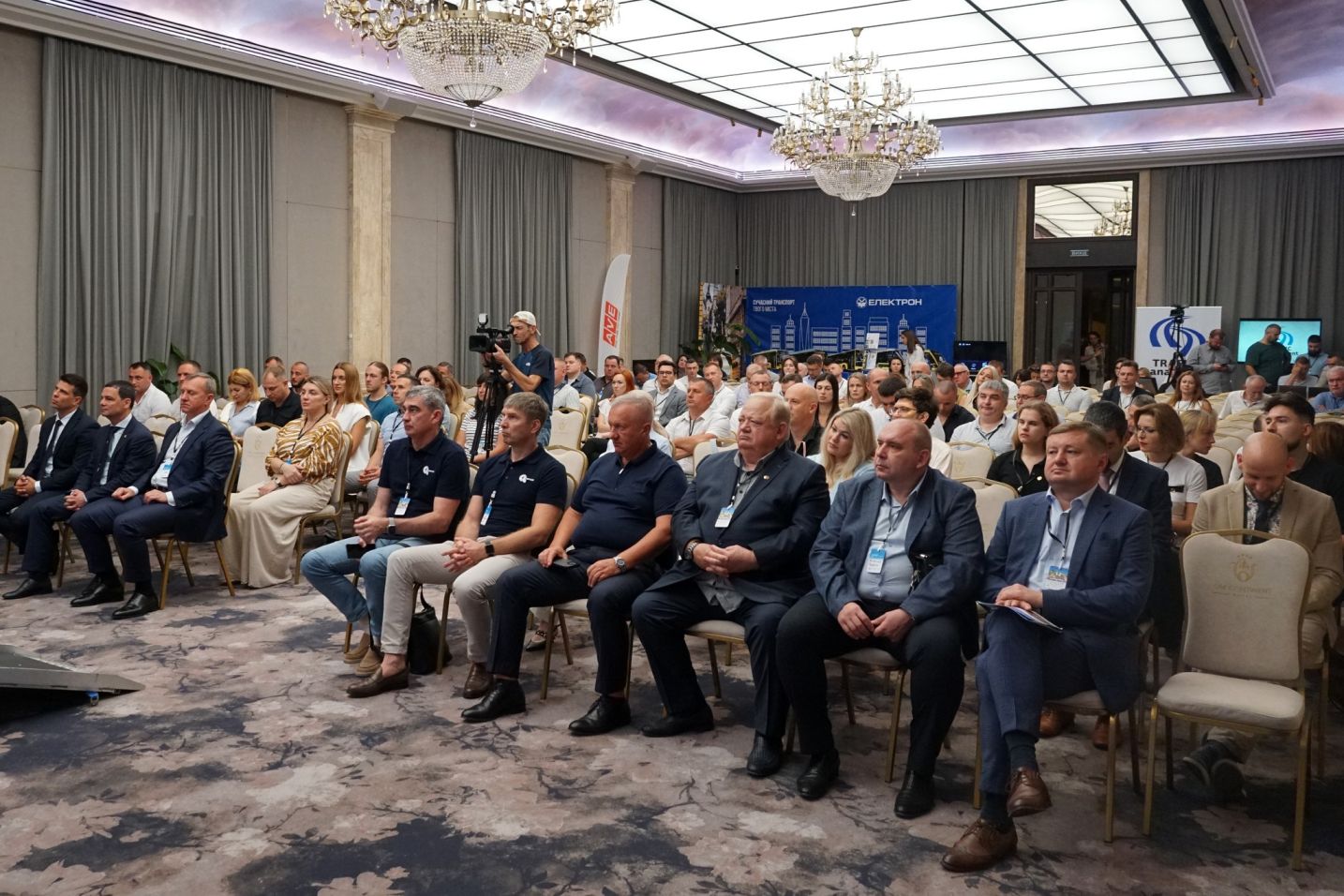
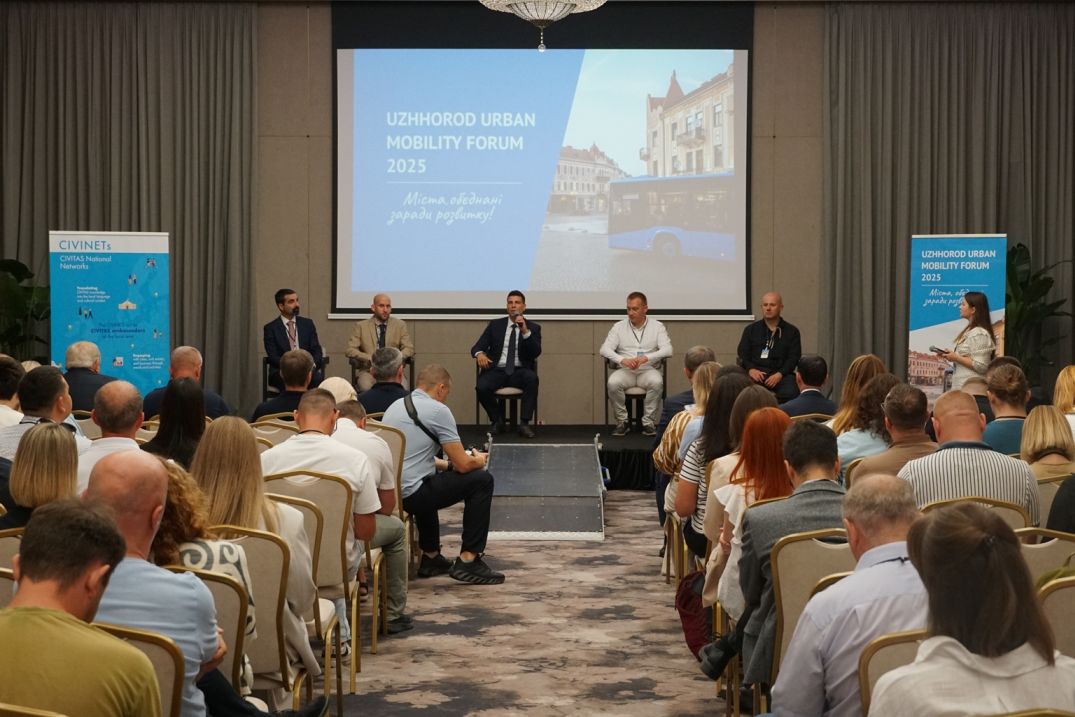
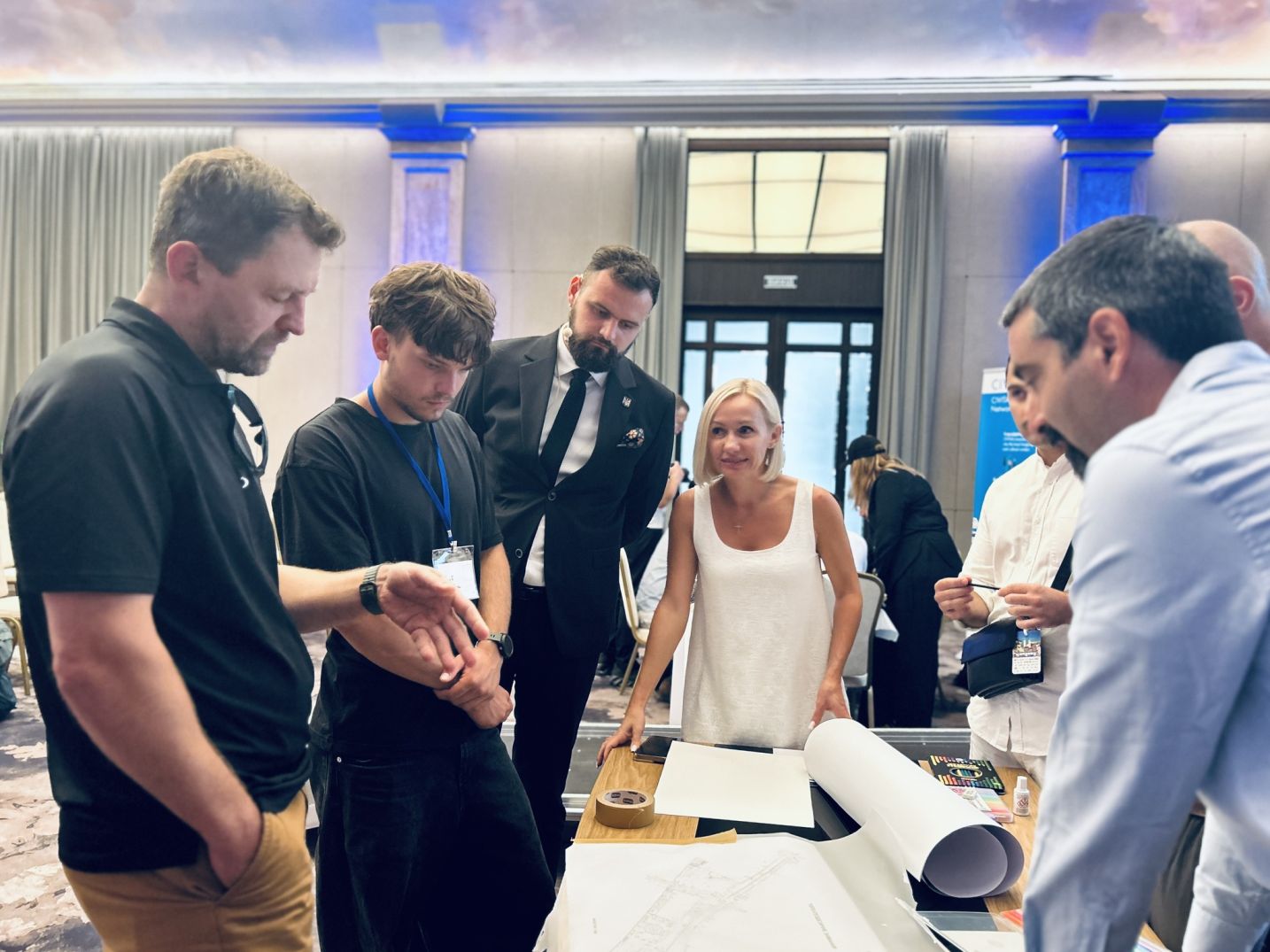
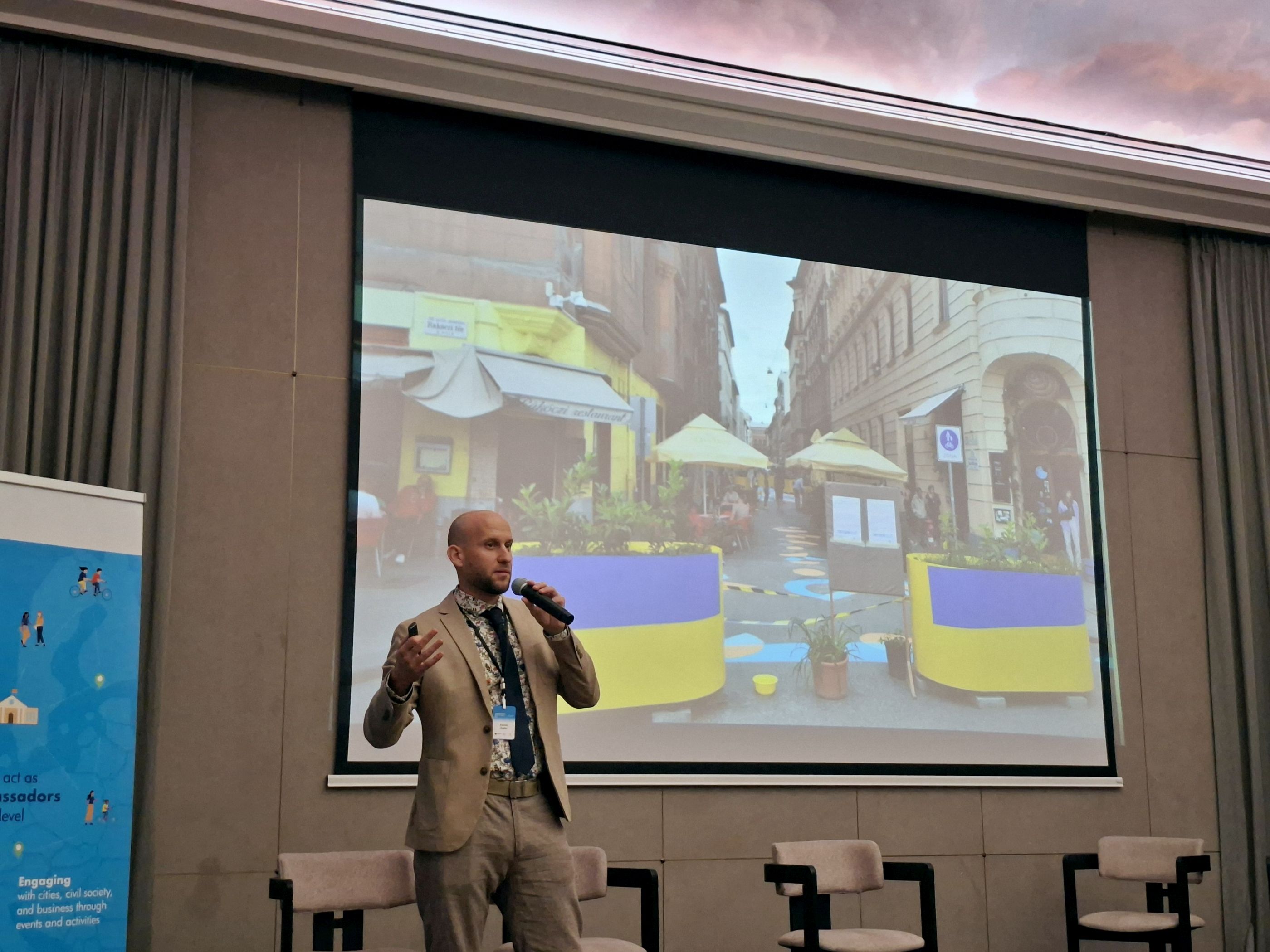
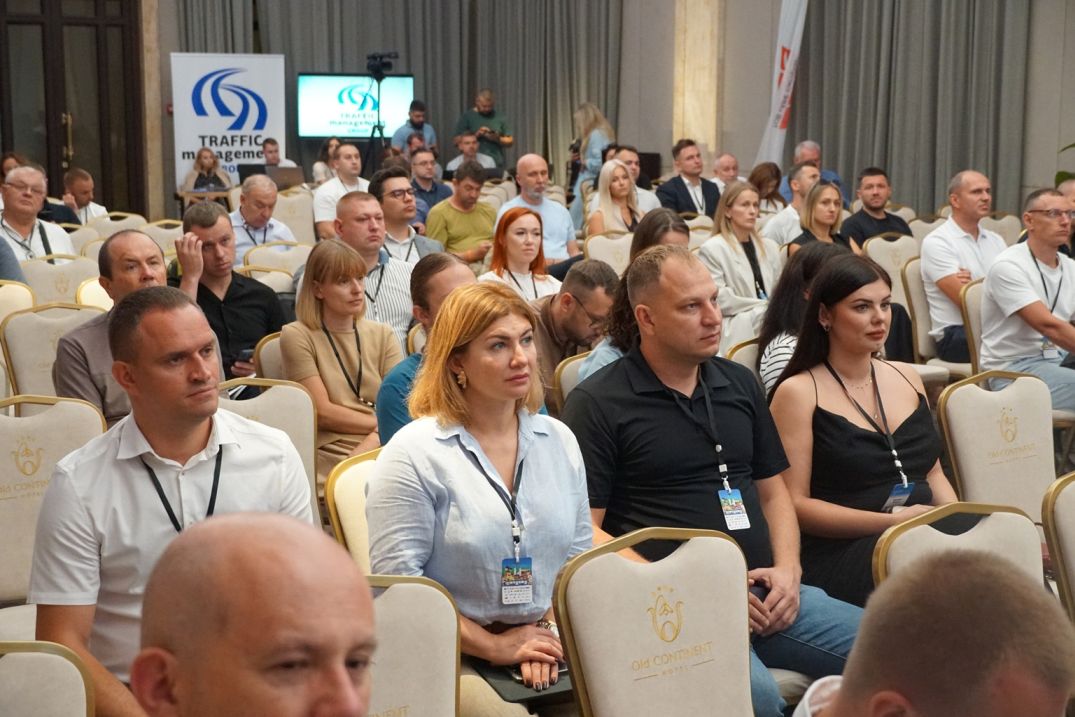
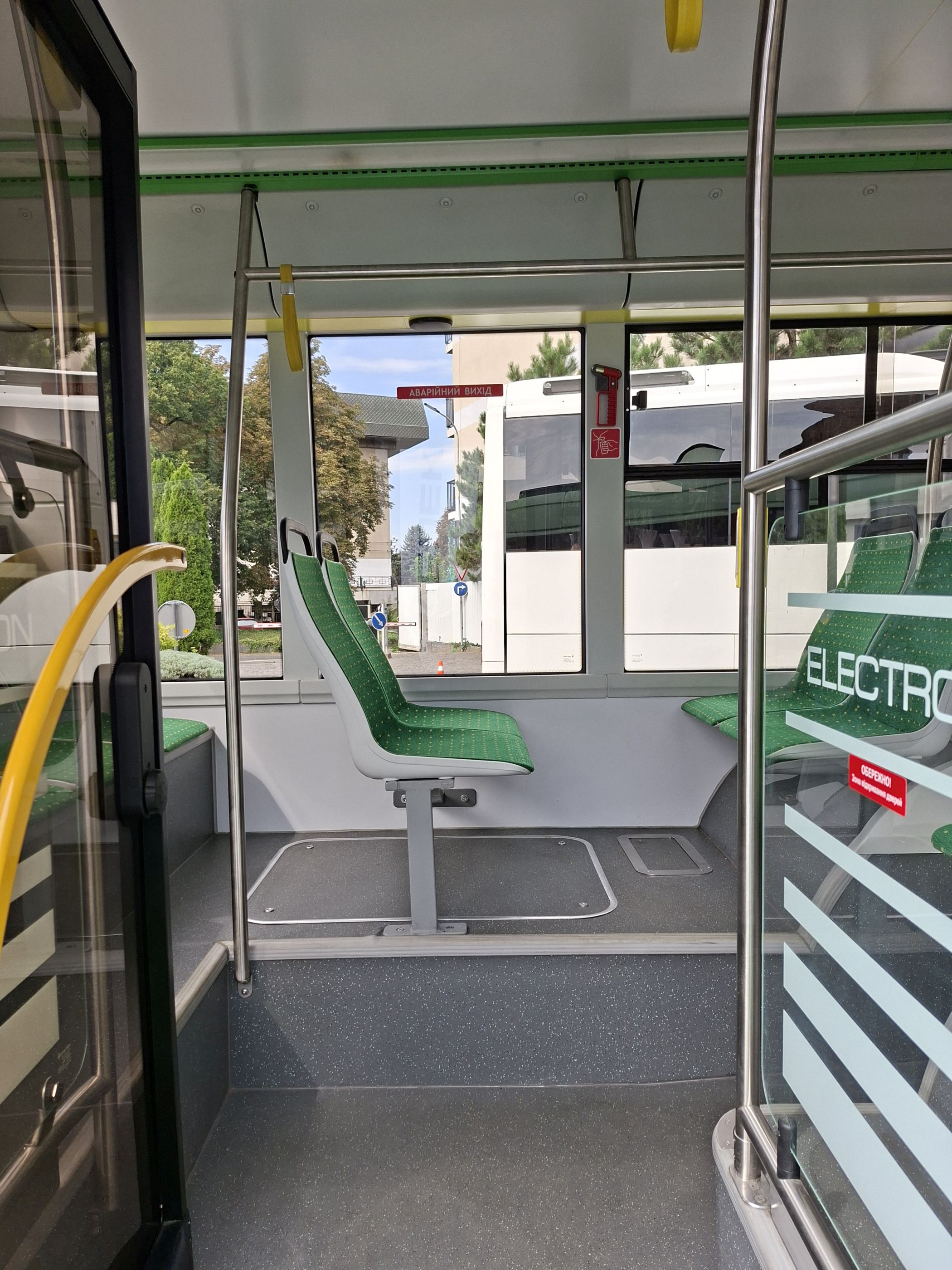
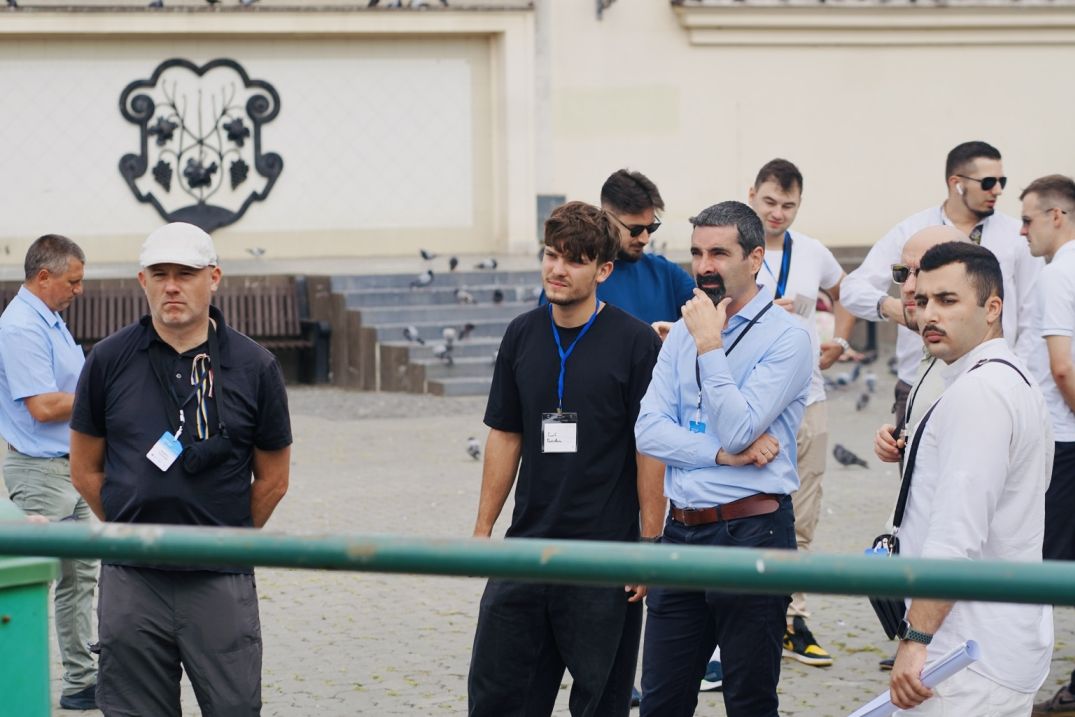
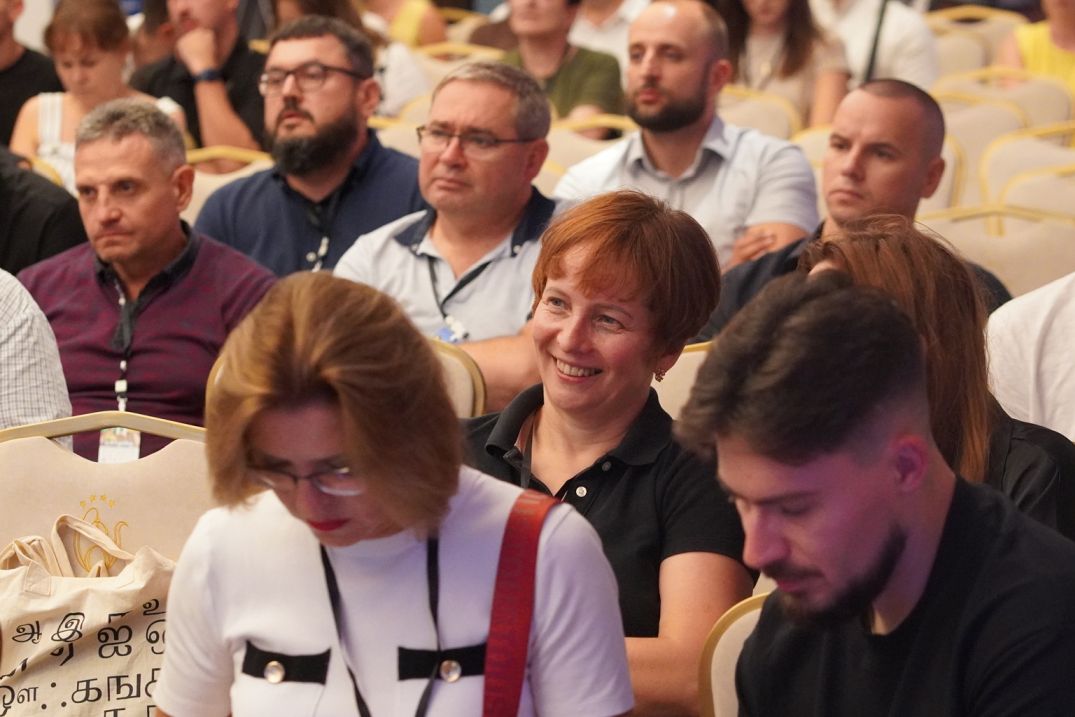
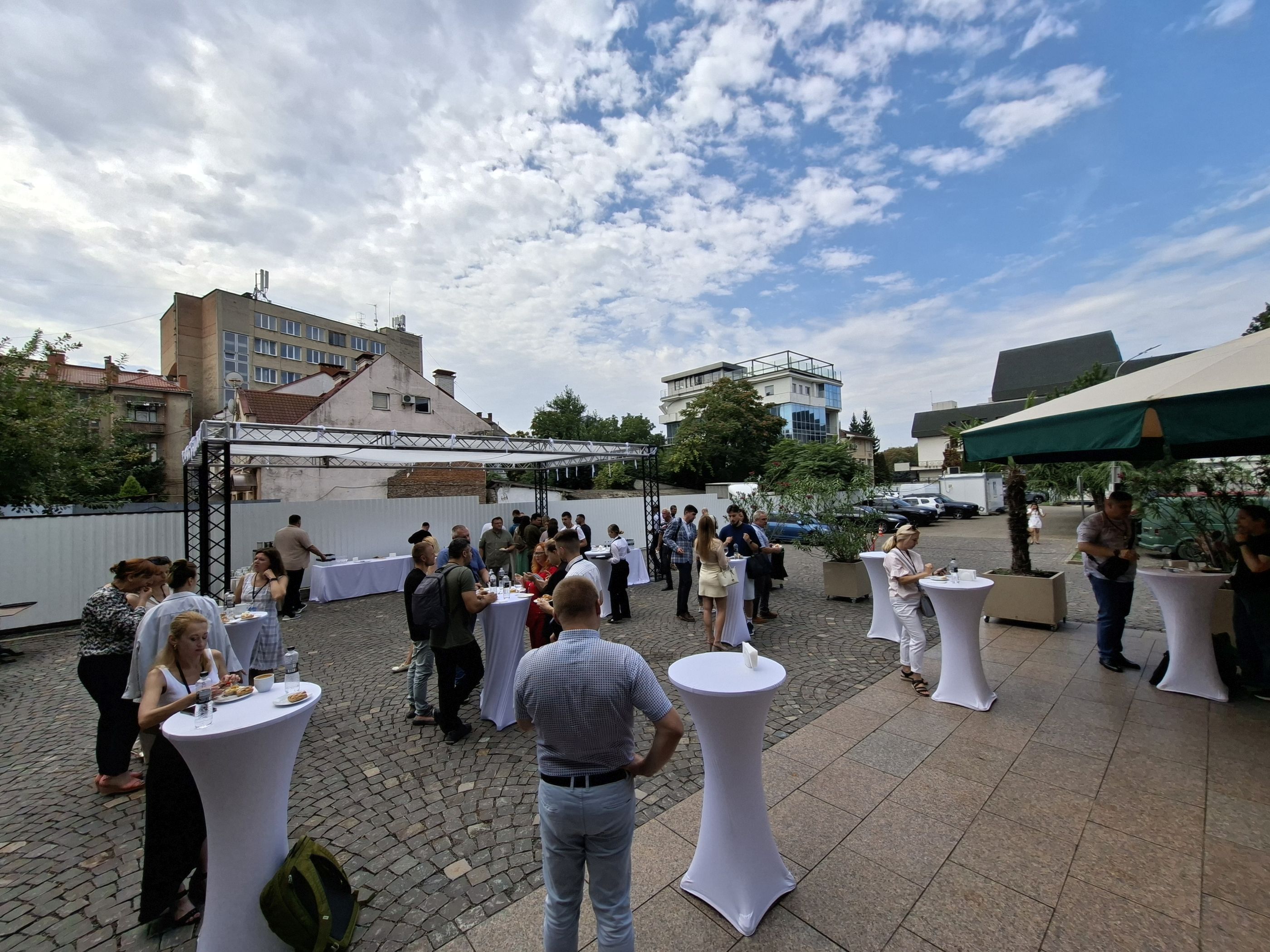
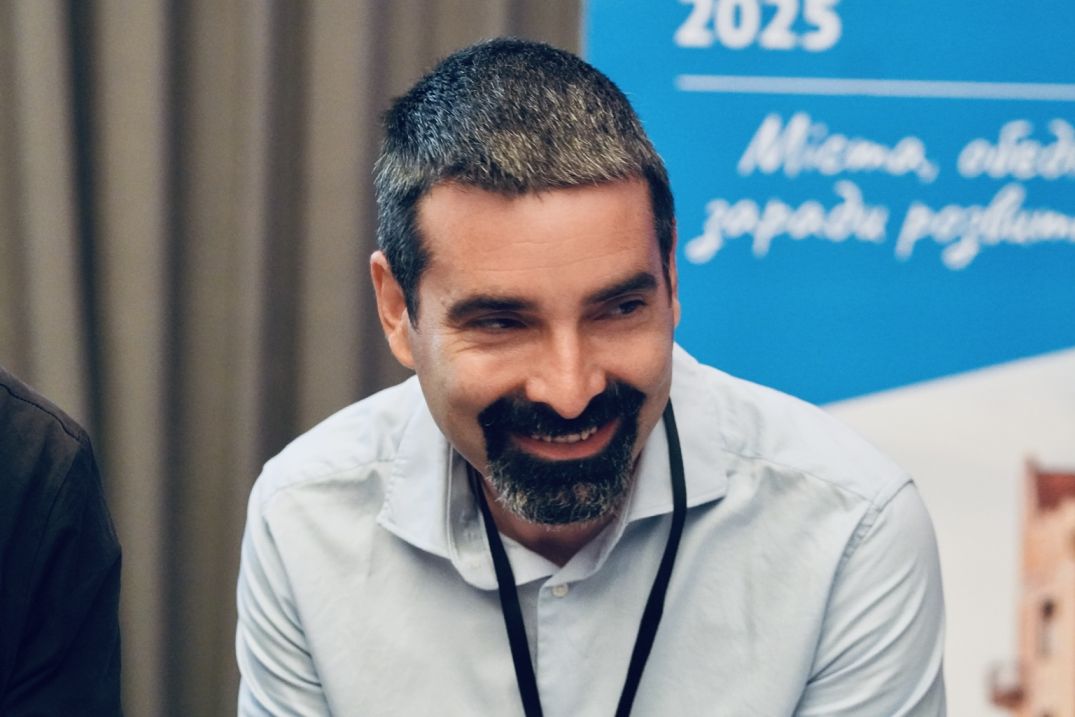
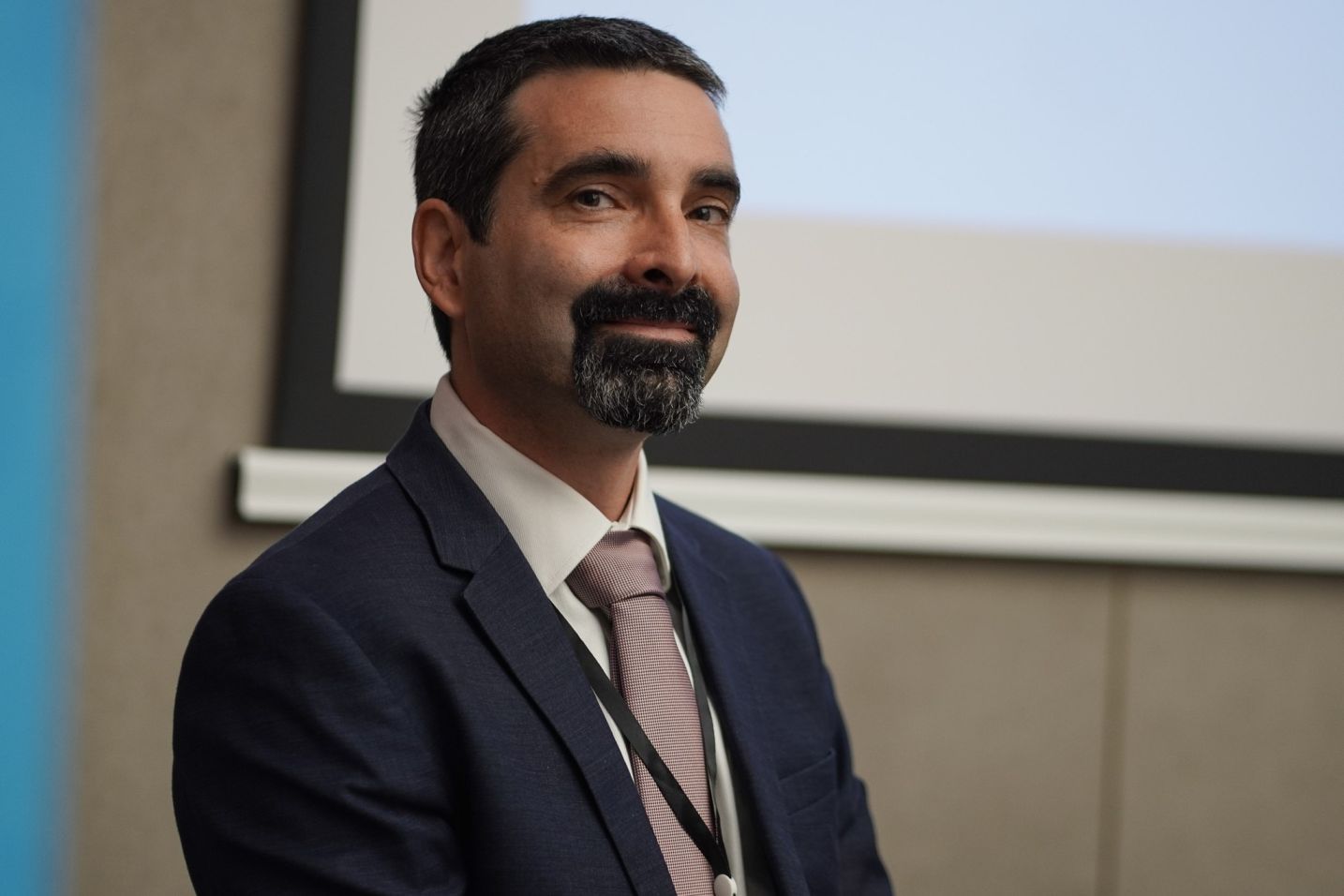
(A part of the photos displayed belongs to Uzhhorod City Council or Dániel Rádai)
Beyond the usual sharing of our experiences with the professional community in a neighbouring country, our participation was particularly significant because, although Transcarpathia is considered the safest part of the country, due to security concerns and the lack of flight connections, only a handful of us represented the international professional community. Accordingly, we had the opportunity to engage in numerous discussions with Ukrainian experts from all around the country or working in other European countries, including our long-standing partner, the Transcarpathian nature conservation NGO FORZA, as well as ethnic Hungarians from Transcarpathia.
From the official and informal reports of our Ukrainian colleagues, we gained an insight into how they are trying to outline a vision for the future and take steps towards sustainable urban mobility, while at the same time ensuring day-to-day operations that has been a constant struggle since the start of the full-scale Russian invasion. Local governments are allocating a significant portion of their resources to national defence, spending on development seeming like an unnecessary luxury. Meanwhile, mobilization has led to labour shortages in the sector, even though men who operate critical services are exempt from conscription. The relative security of the western cities of Uzhhorod or Lviv still allows some room for thinking about development, but in the eastern part of the country, as we get closer to the frontline, daily survival is increasingly at stake.
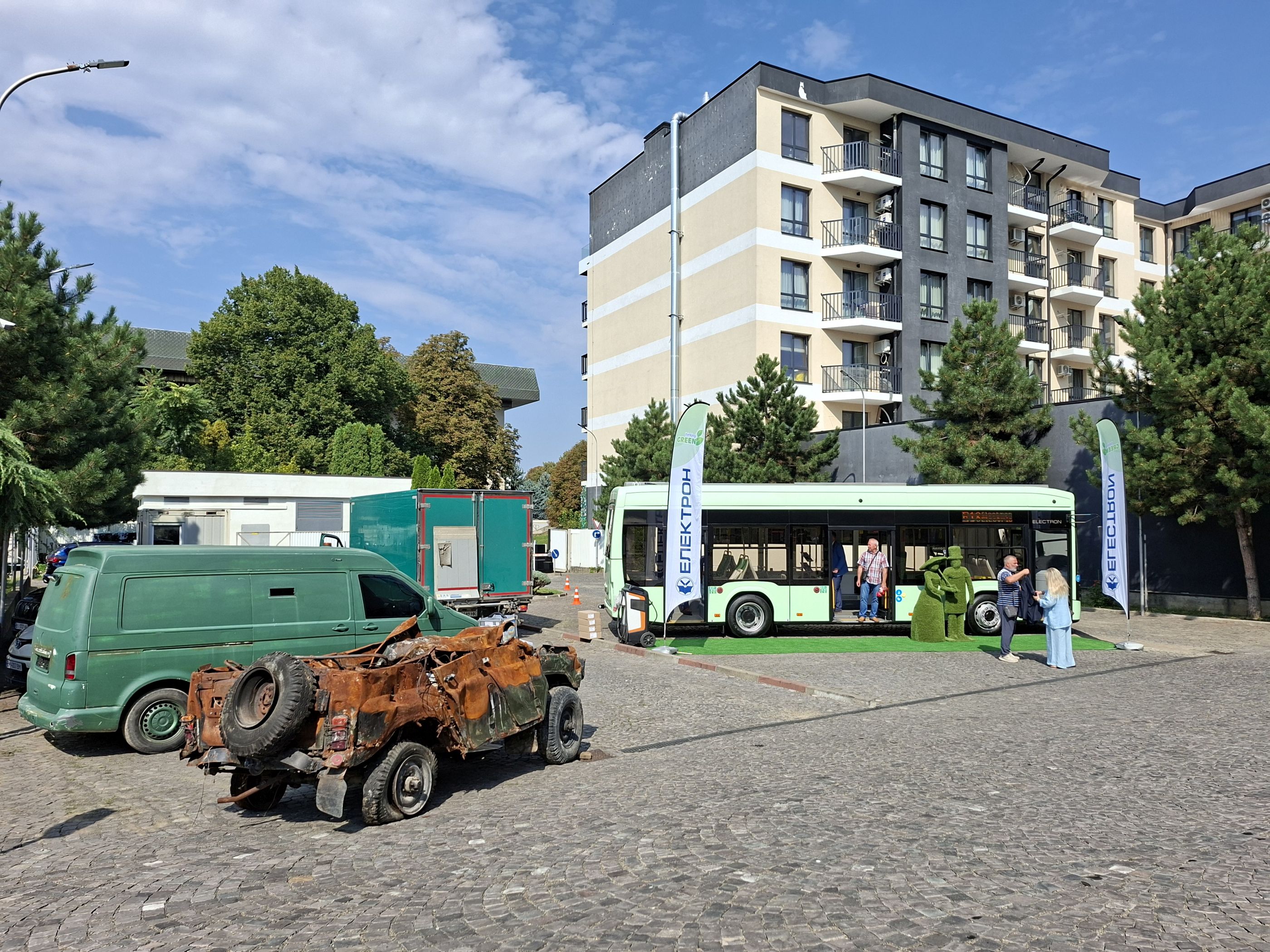
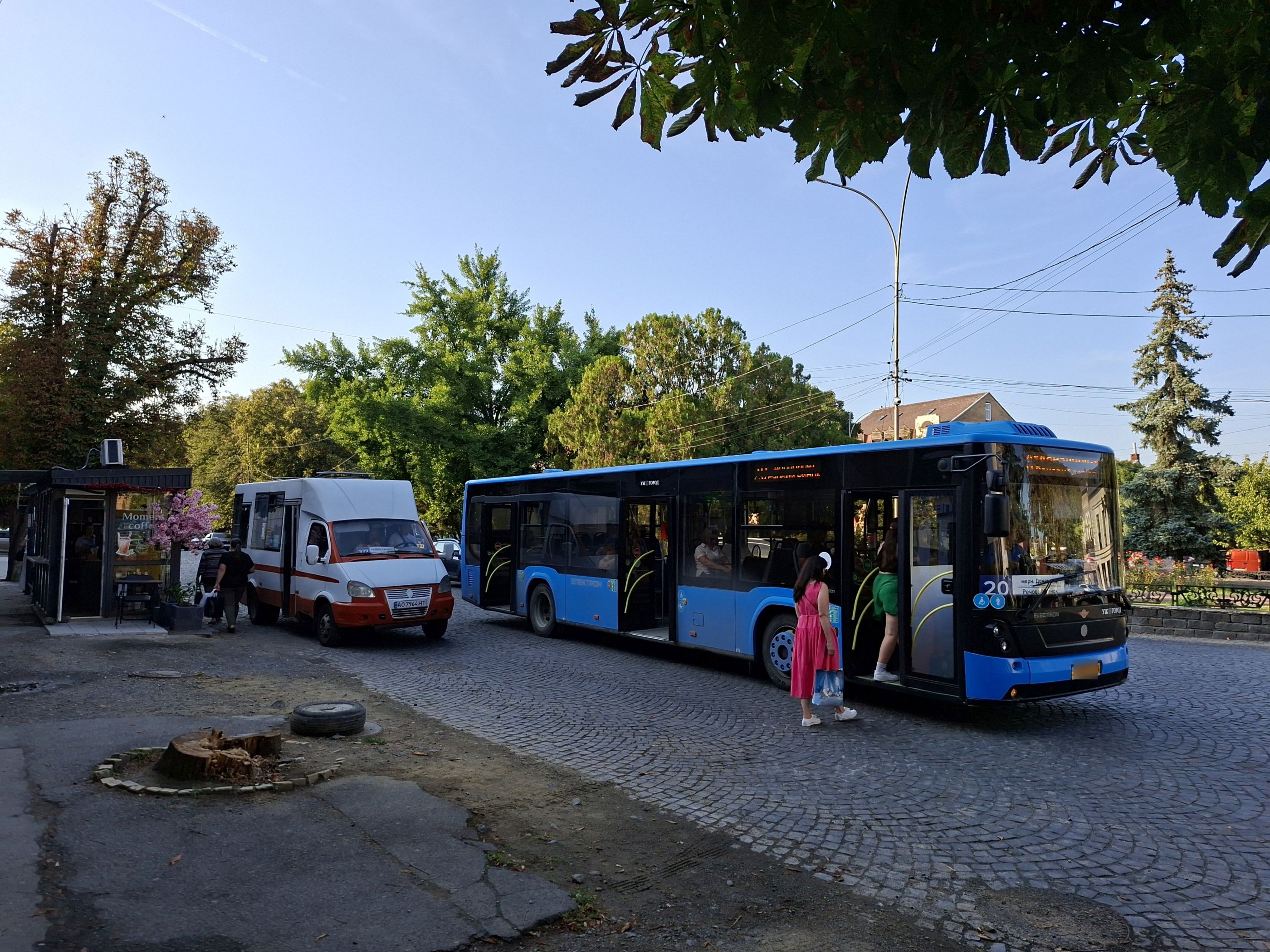
From the perspective of urban mobility, a key development during this period is that, due to the large number of veterans returning from the front with injuries and their high social esteem, accessibility and inclusive design have become top priorities. Most cities are implementing specific programs in consultation with stakeholder organizations to make the most important institutions and pedestrian routes accessible. Public transport is being strengthened with domestically manufactured, affordable low-floor vehicles (Electron), and the private sector is also doing its part, for example by introducing and sponsoring accessible ride-sharing services (Uklon). Cycling, as a mode of transport that is less dependent on fuel or road conditions and is affordable, helps with mobility even in the worst situations, which is why initiatives such as Bikes4Ukraine, which our colleagues also support, are important.
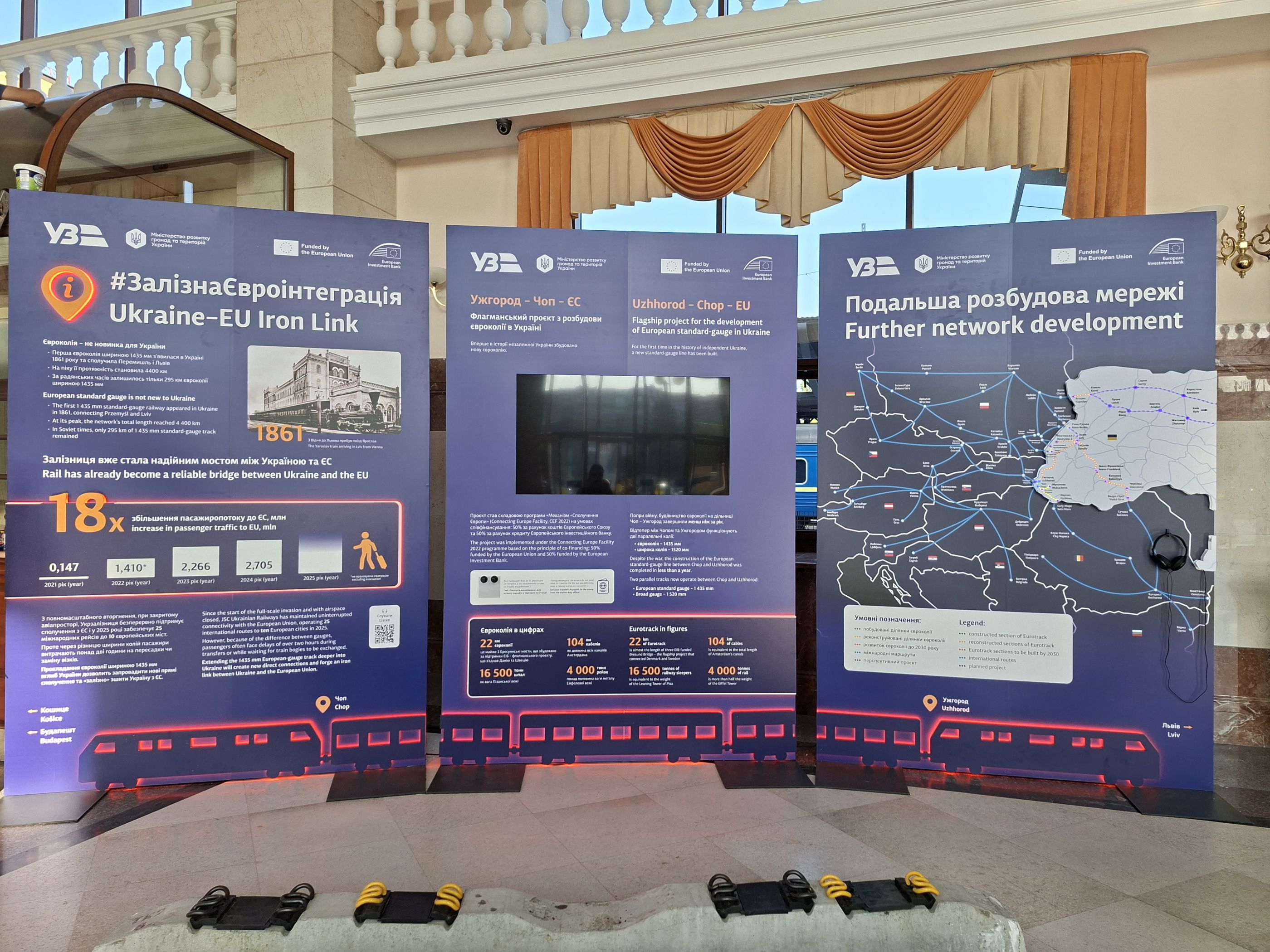
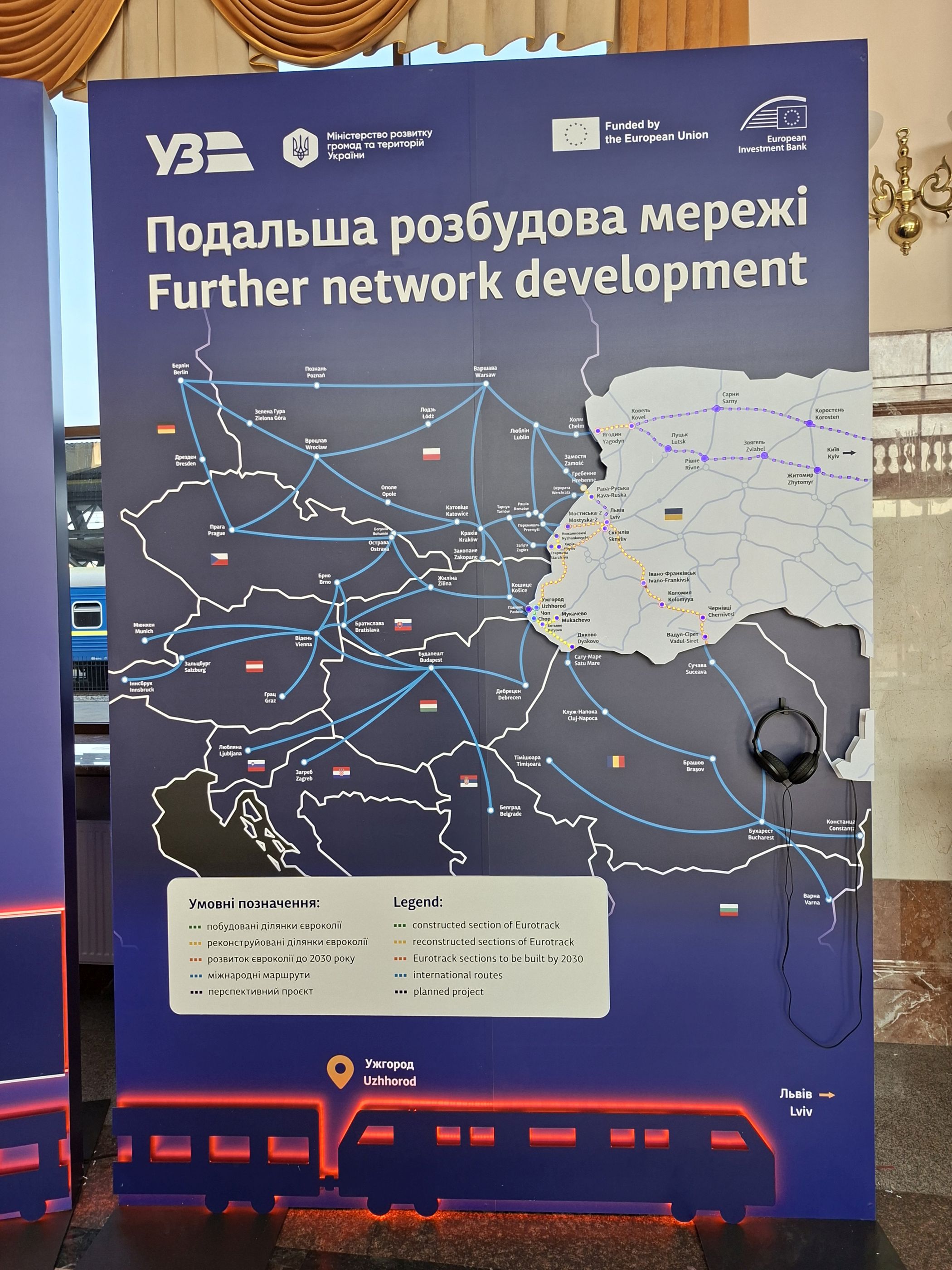
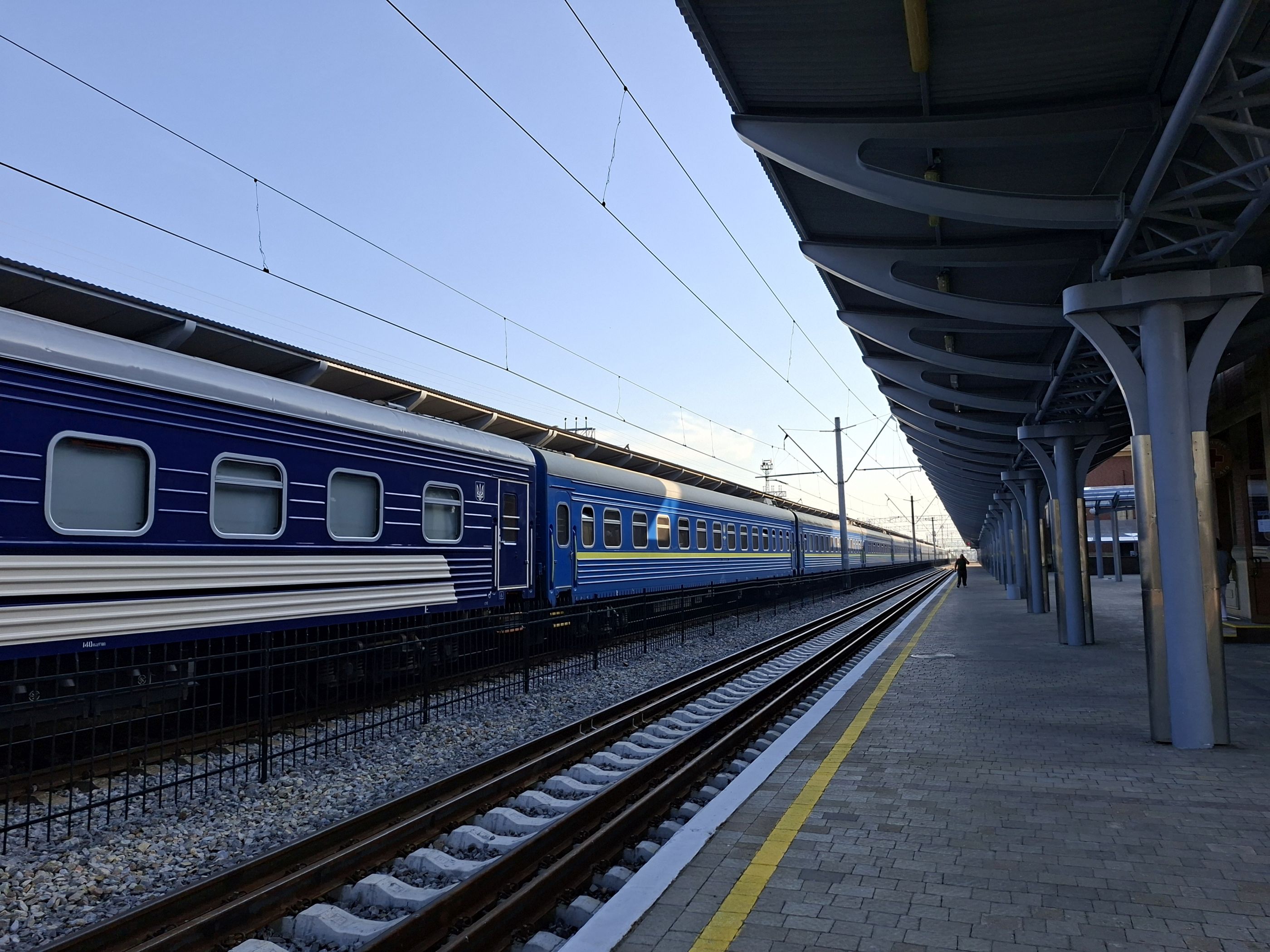
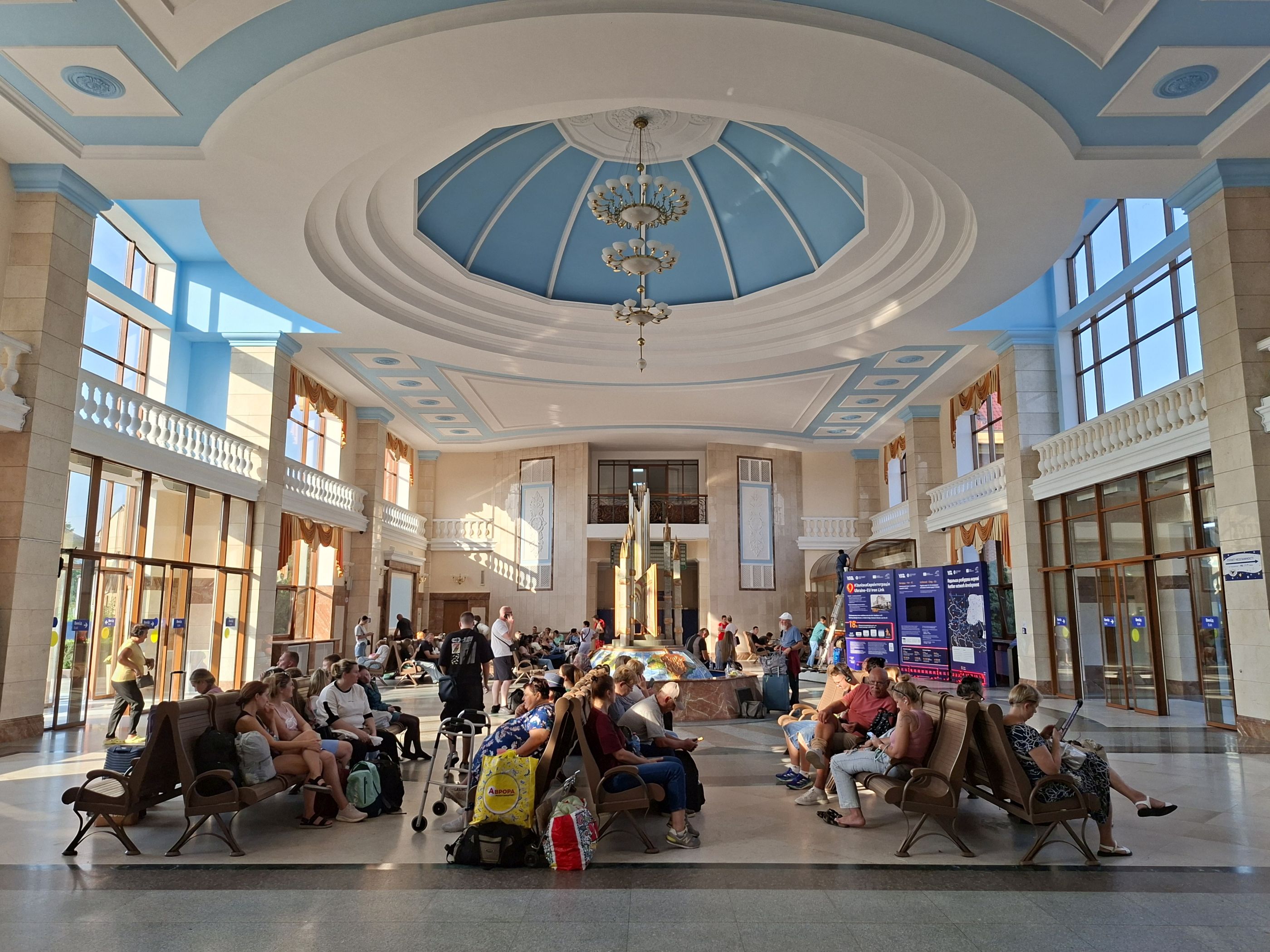
The mobility situation in the host city of Uzhhorod is determined by the fact that it has been functioning as one of the country's western gateways since the full-scale Russian invasion and the introduction of the airspace closure. Just at the time of the conference, the dual gauge (European standard and broad gauge) railway line between Chop and Uzhhorod, financed by CEF and EIB funds as part of the IronLink project, was handed over, enabling the launch of a direct service to Budapest.
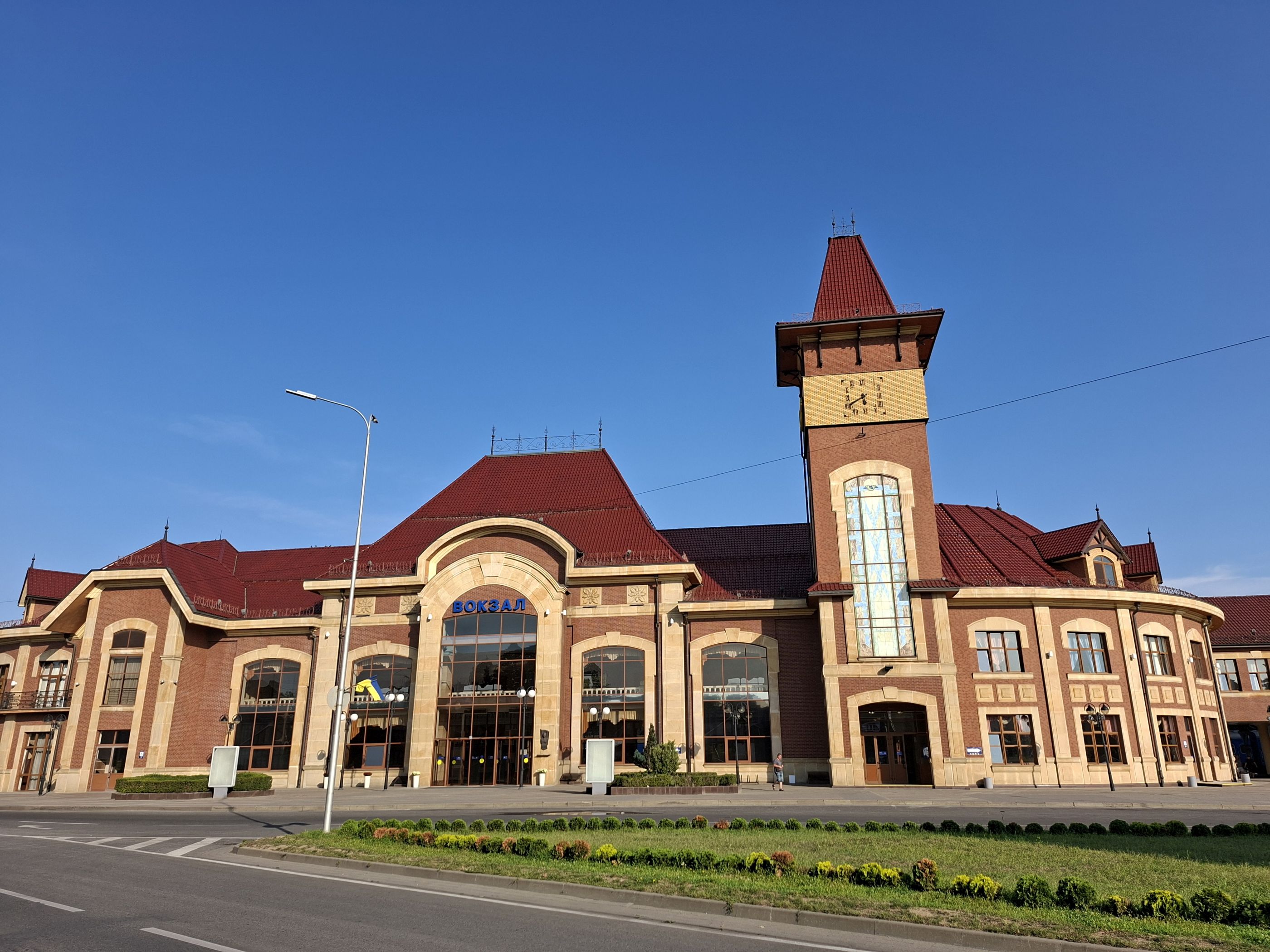
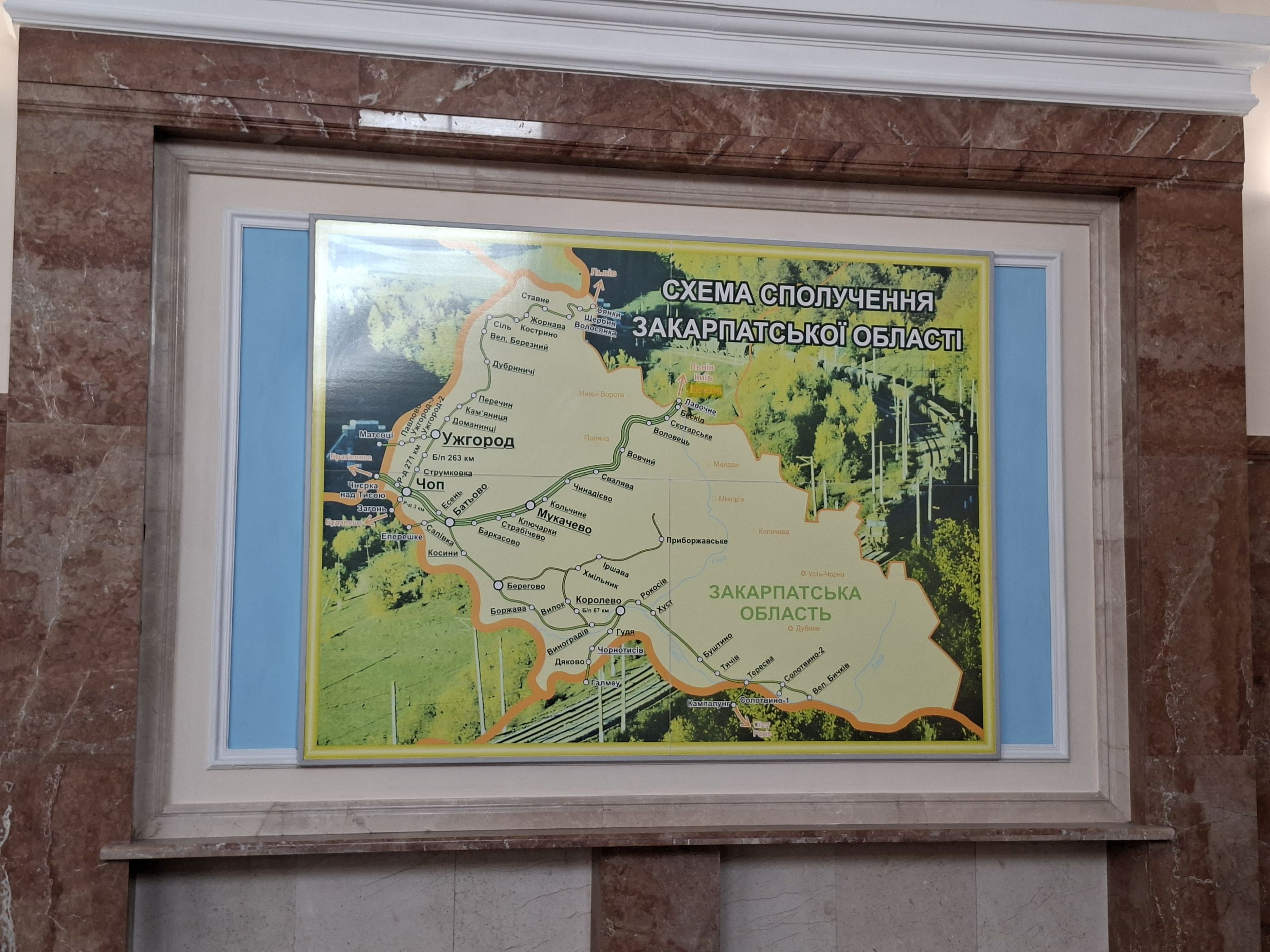
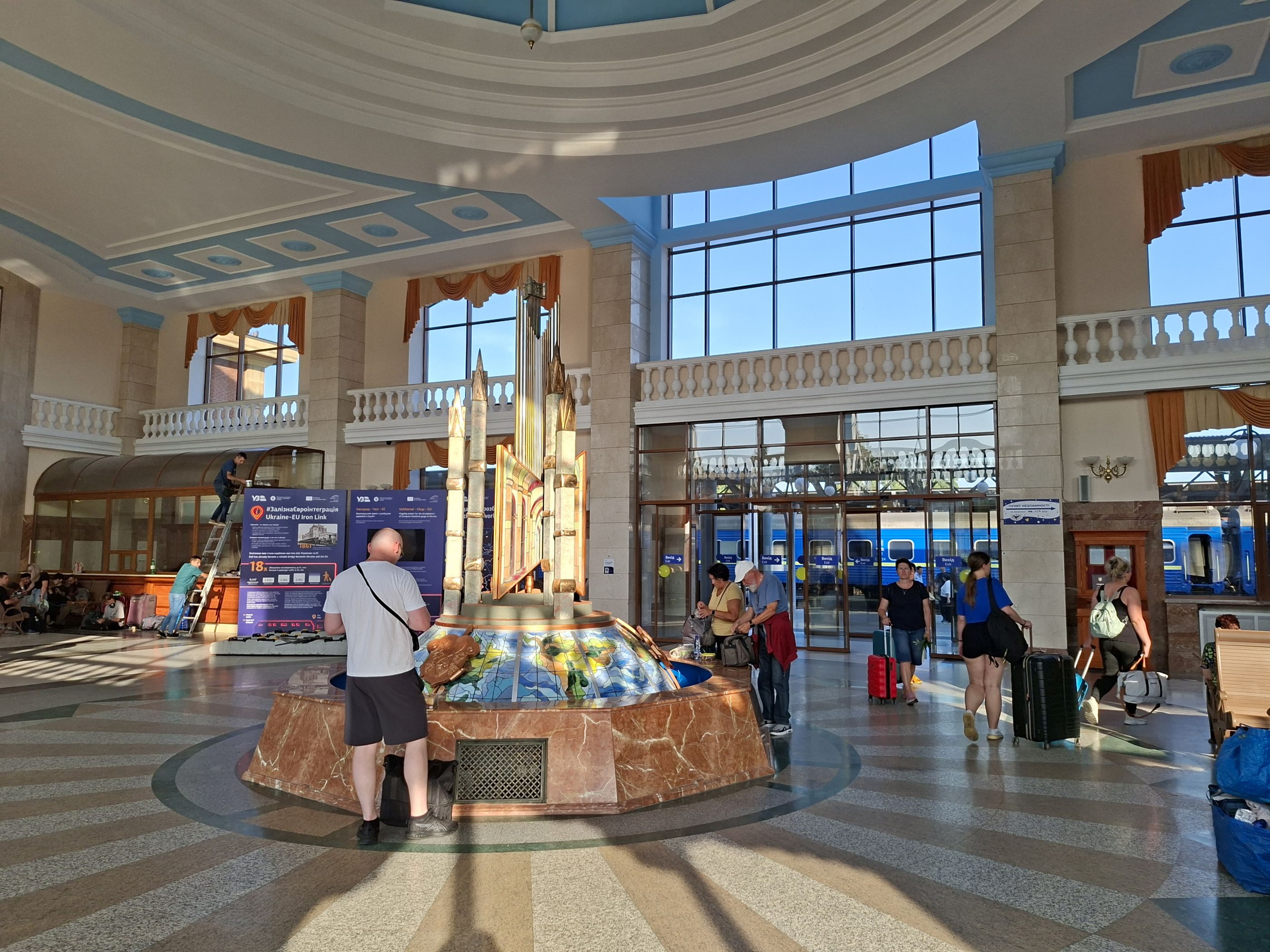
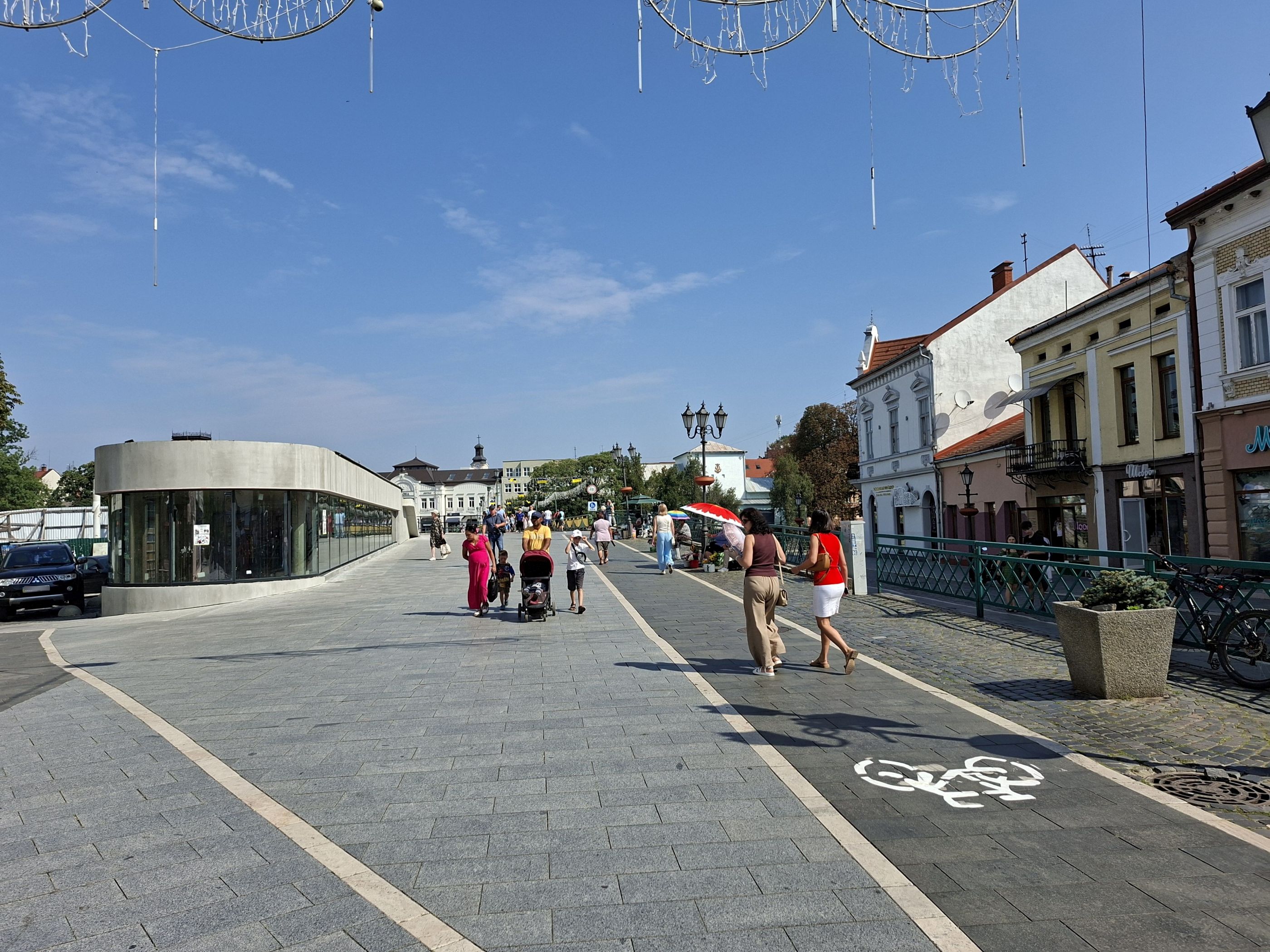
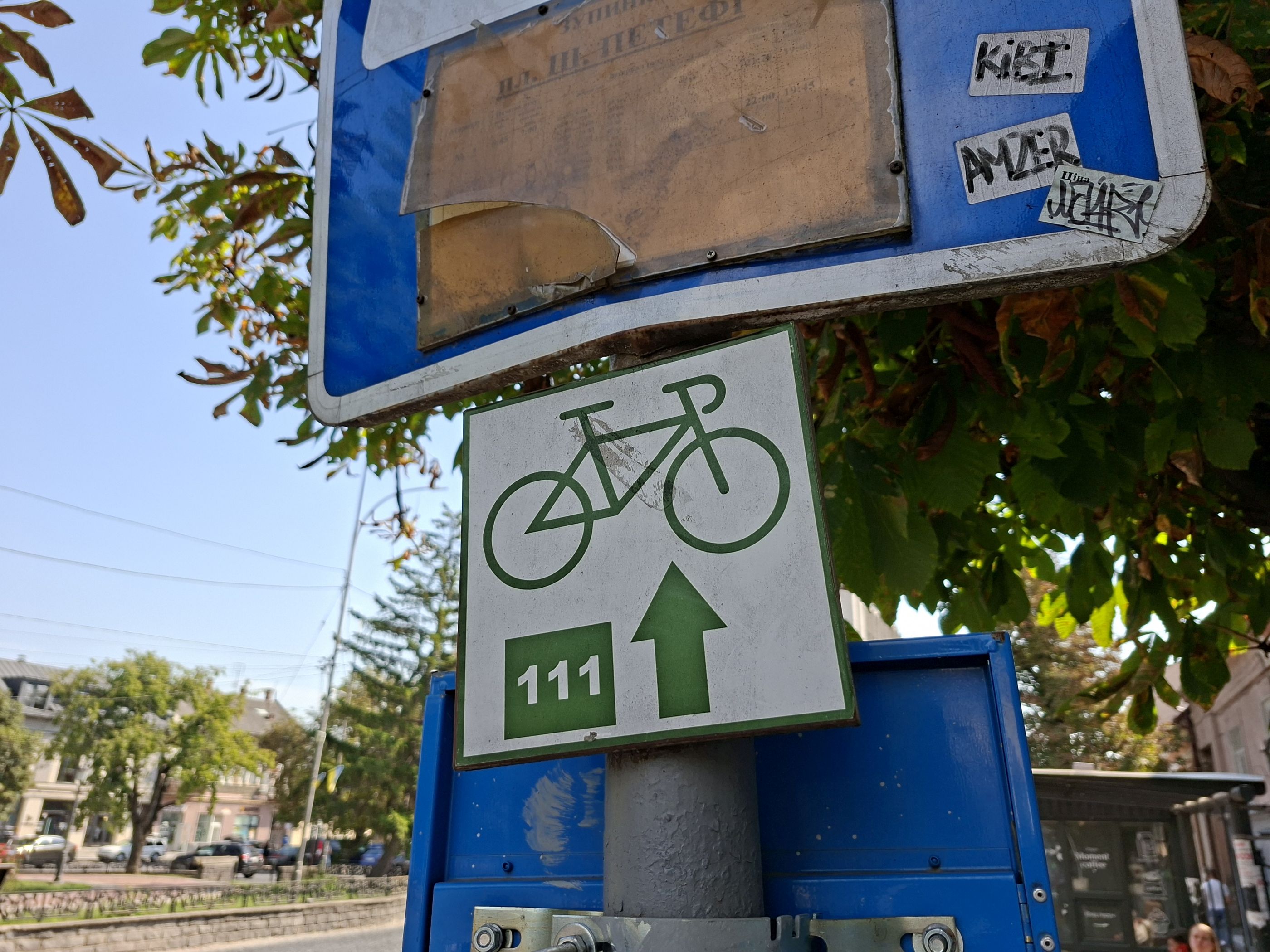
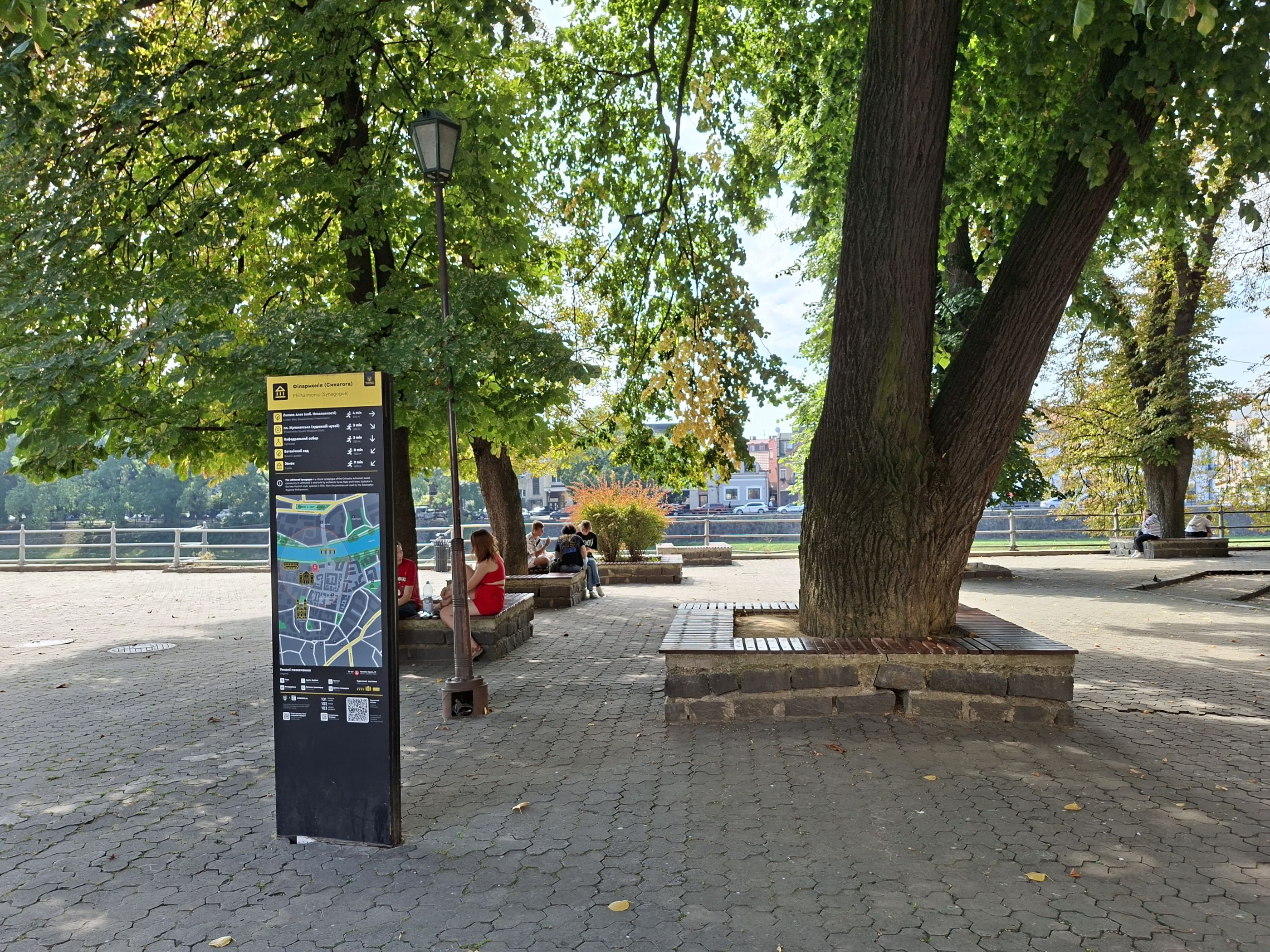
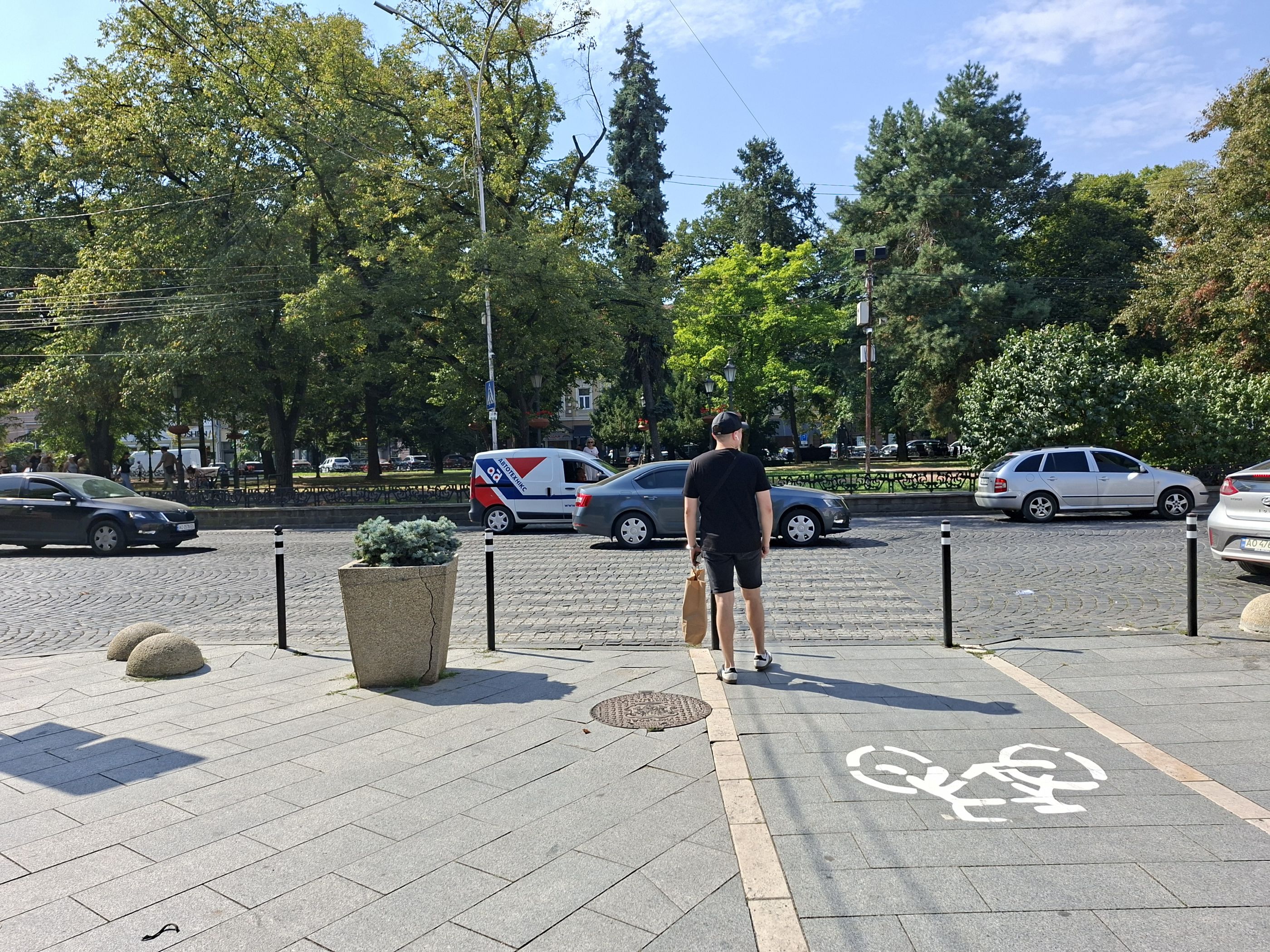
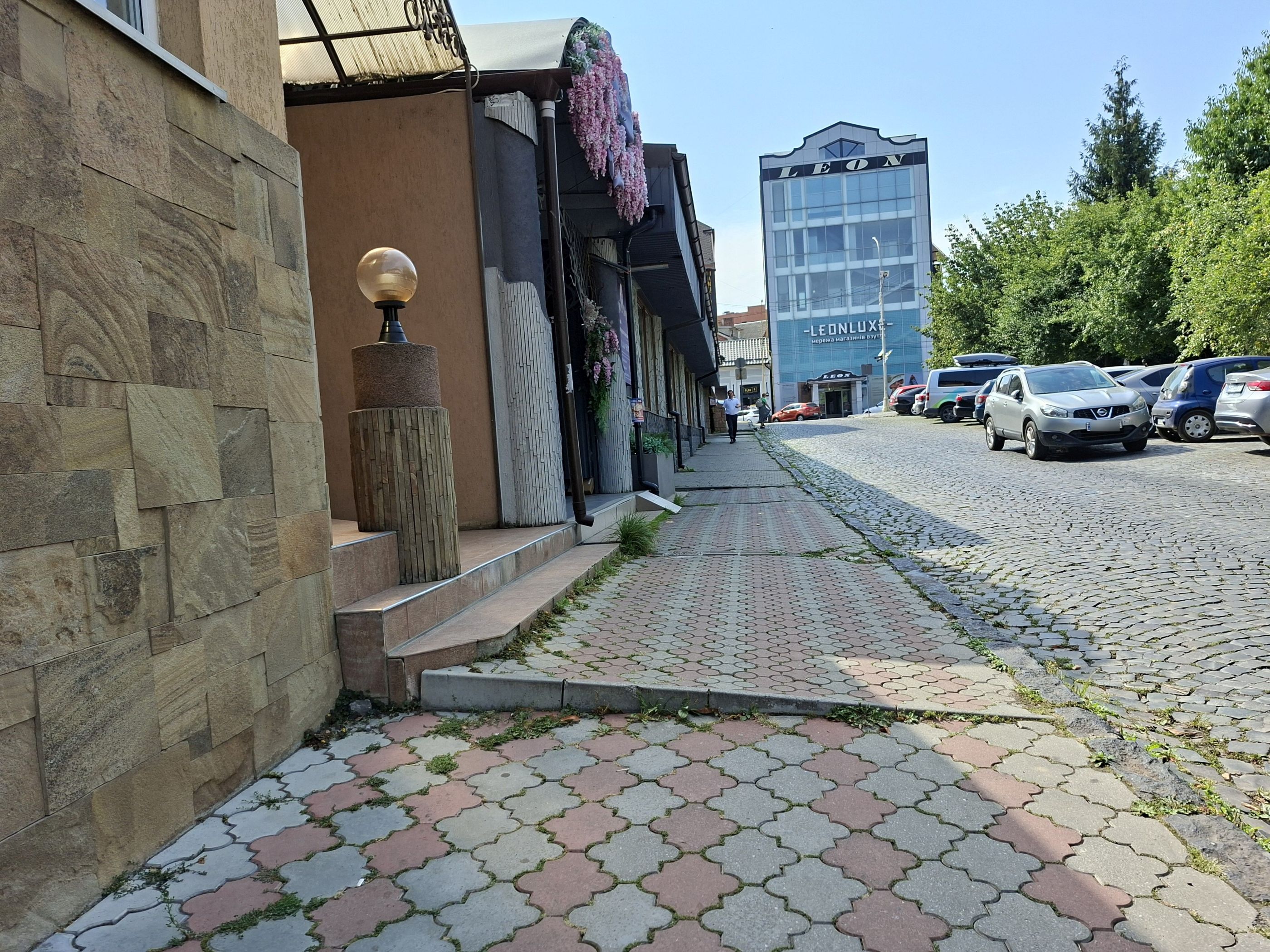
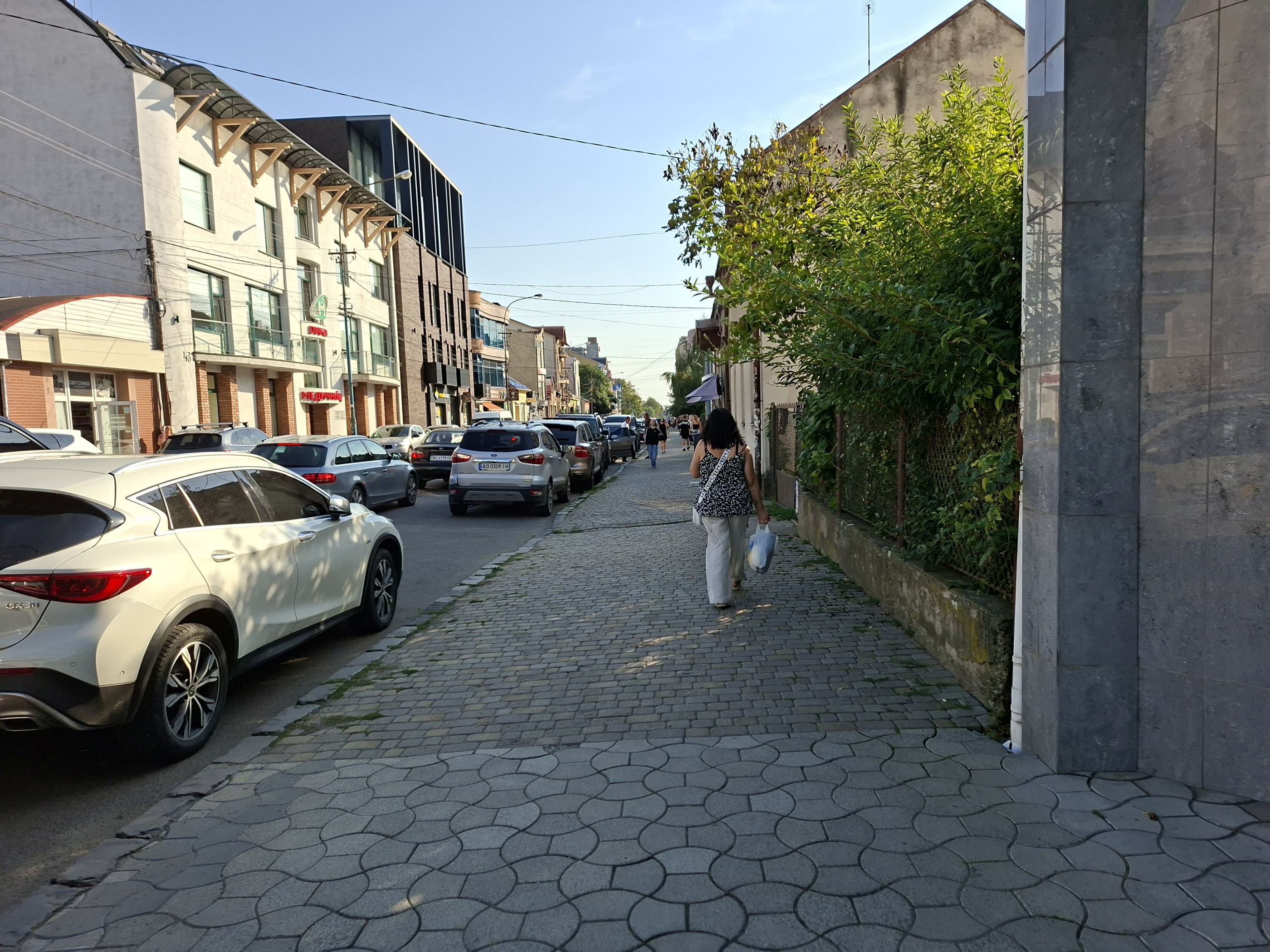
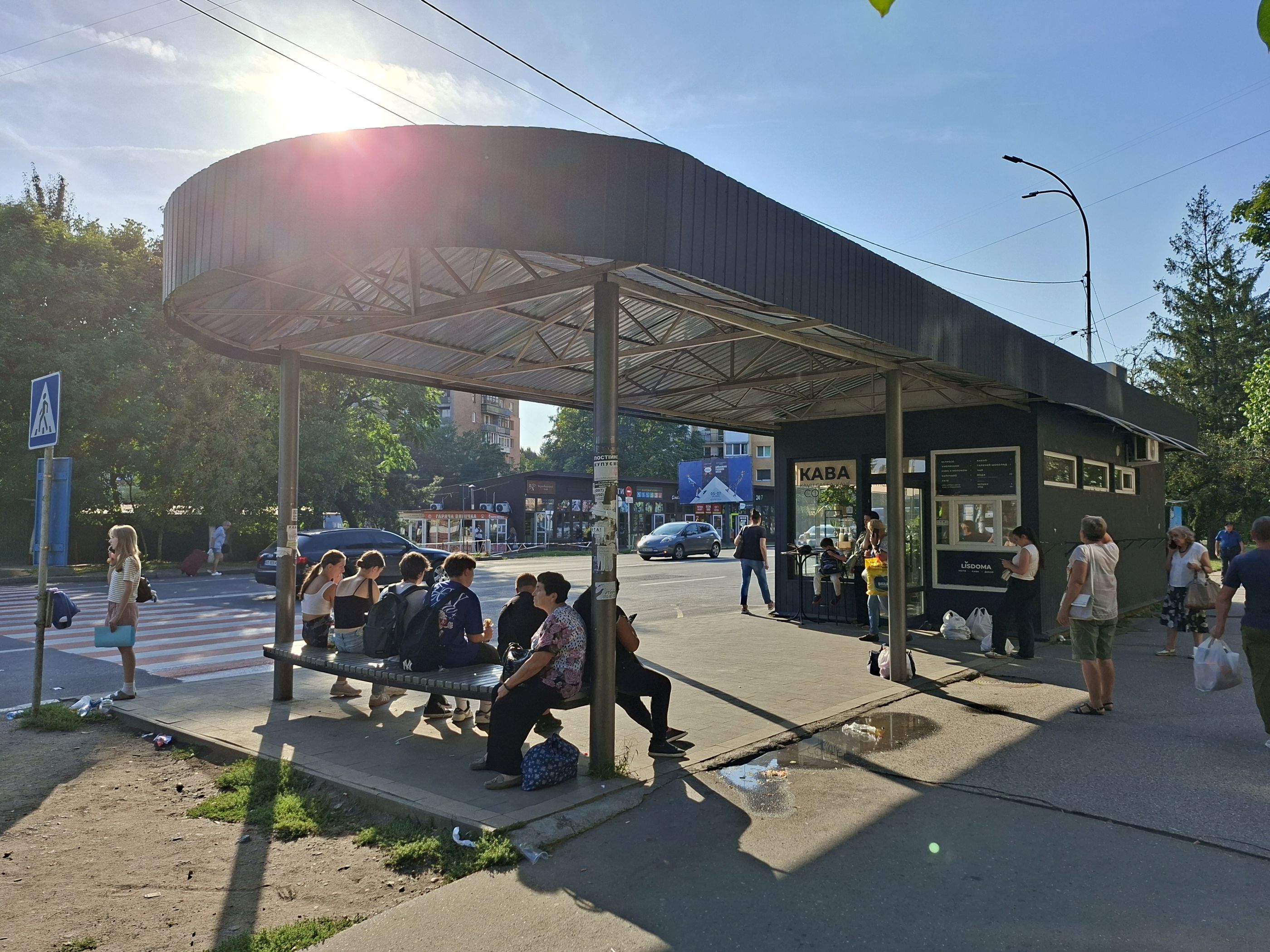
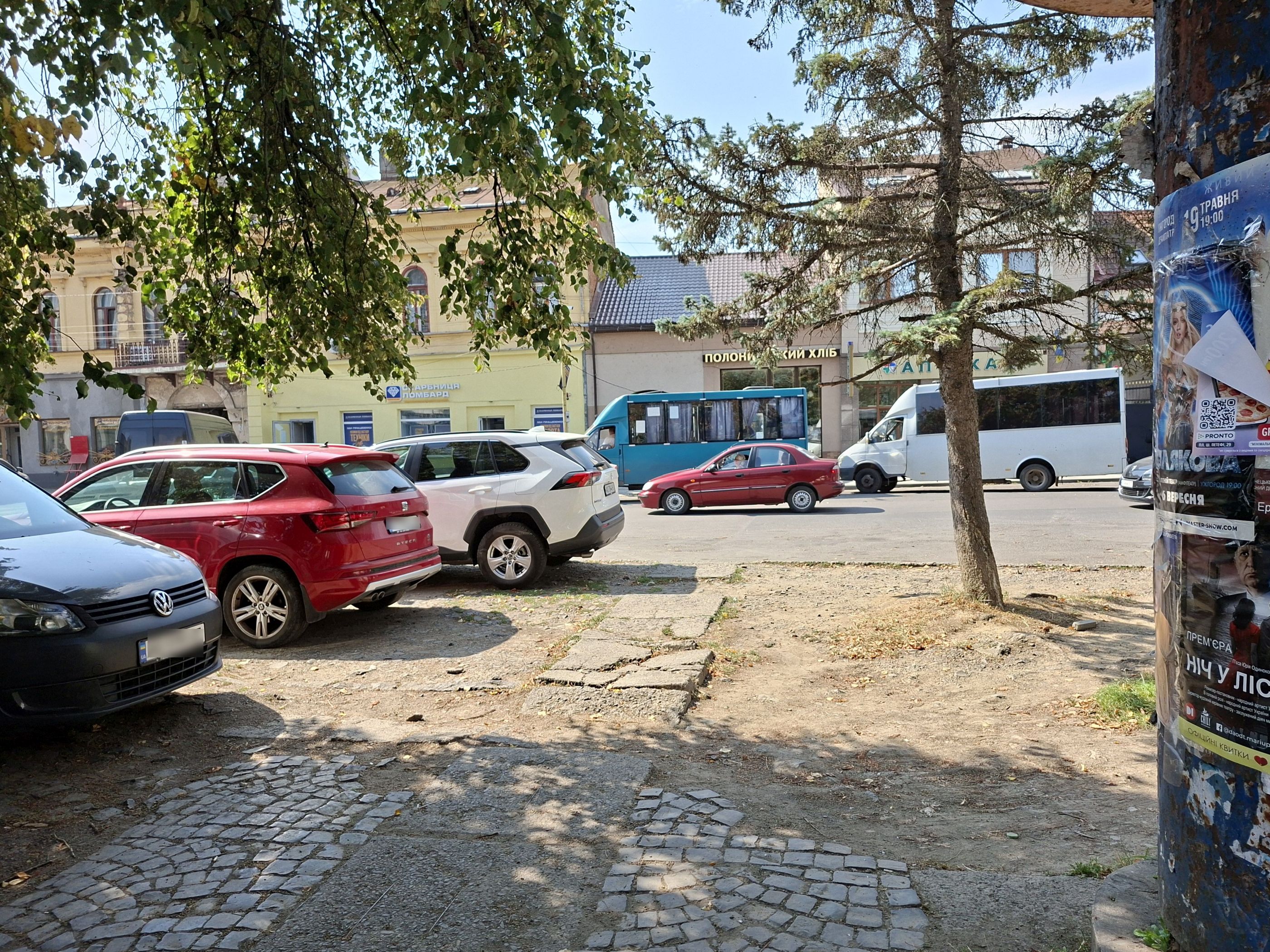
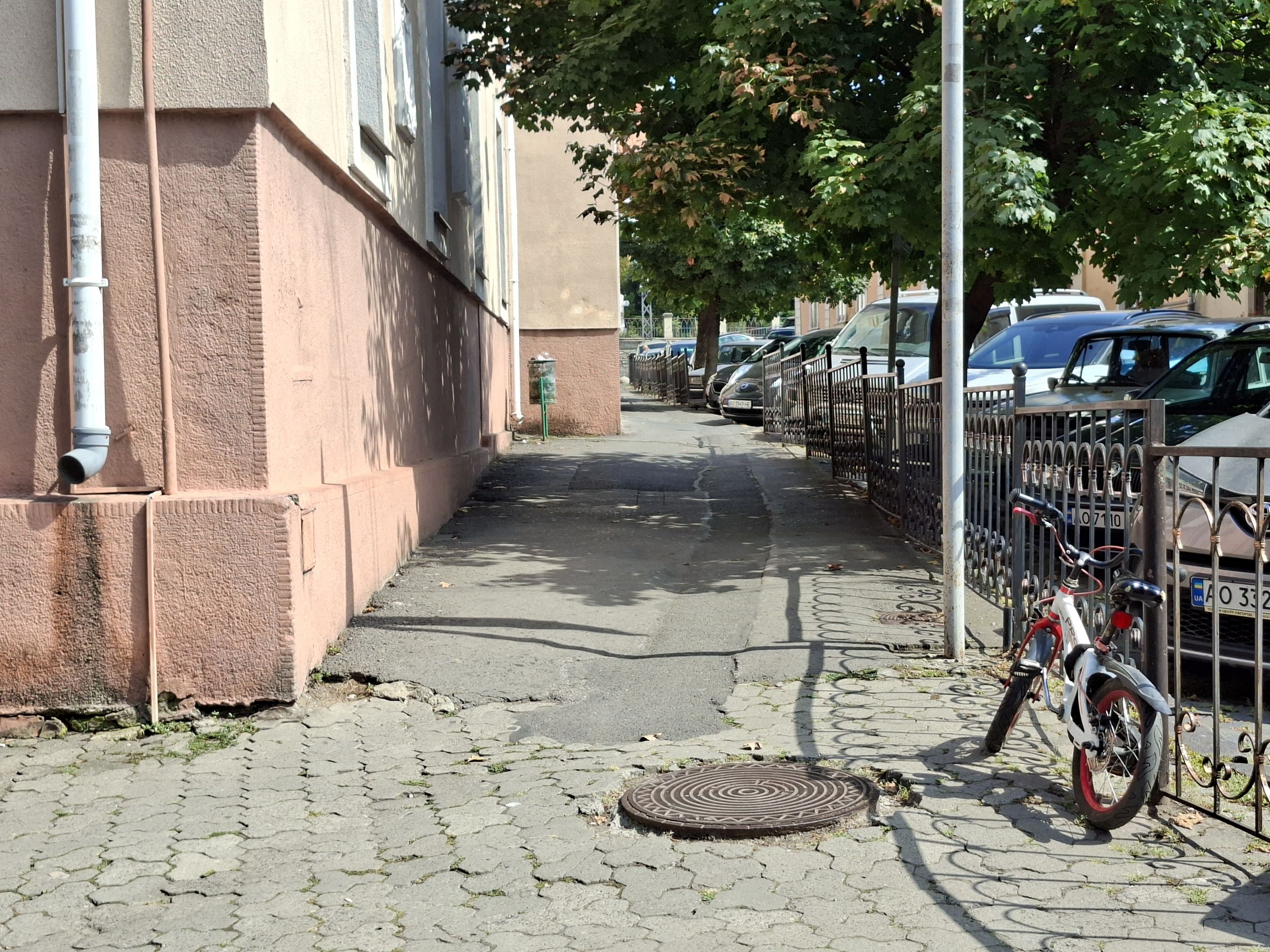
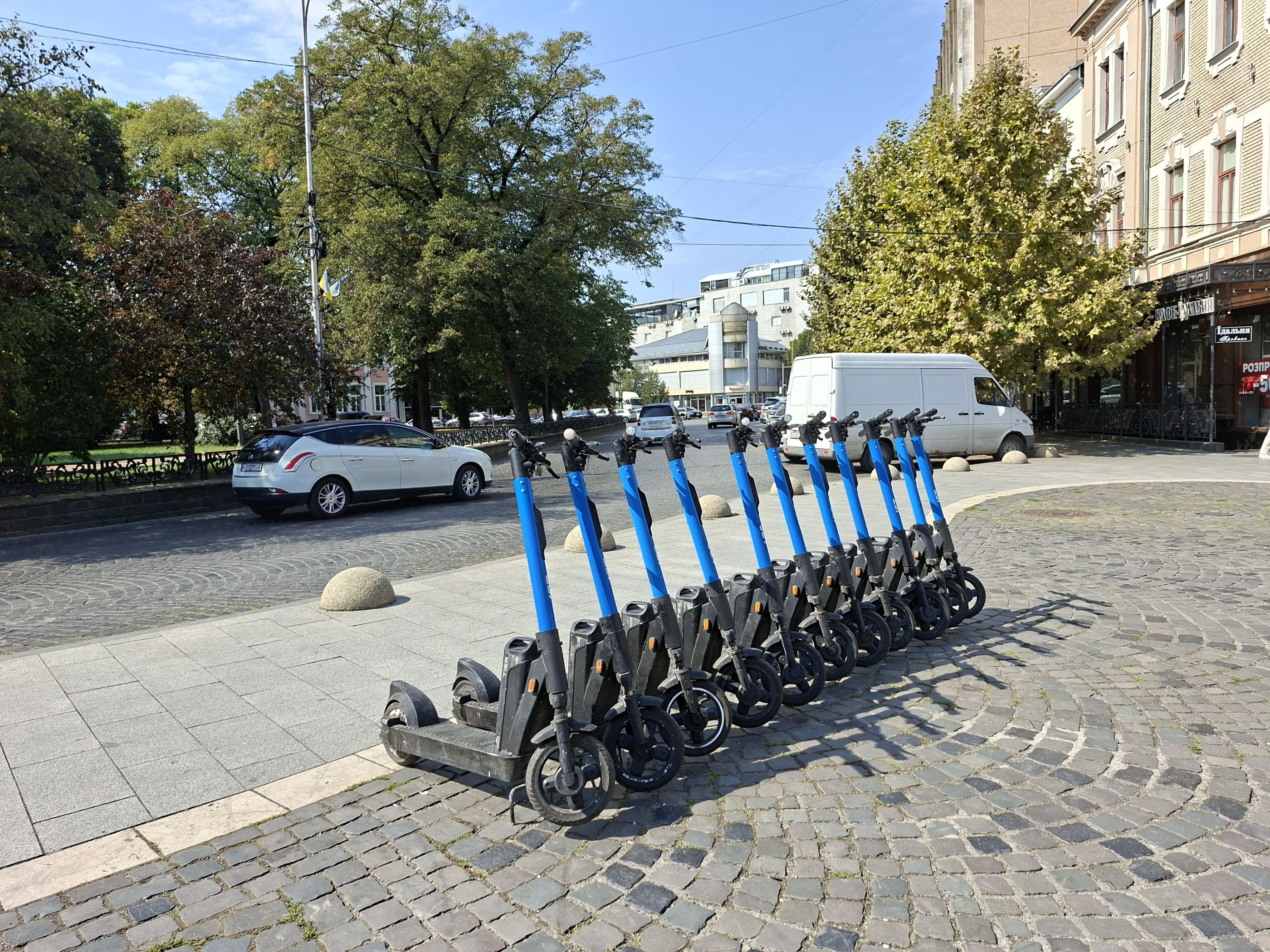
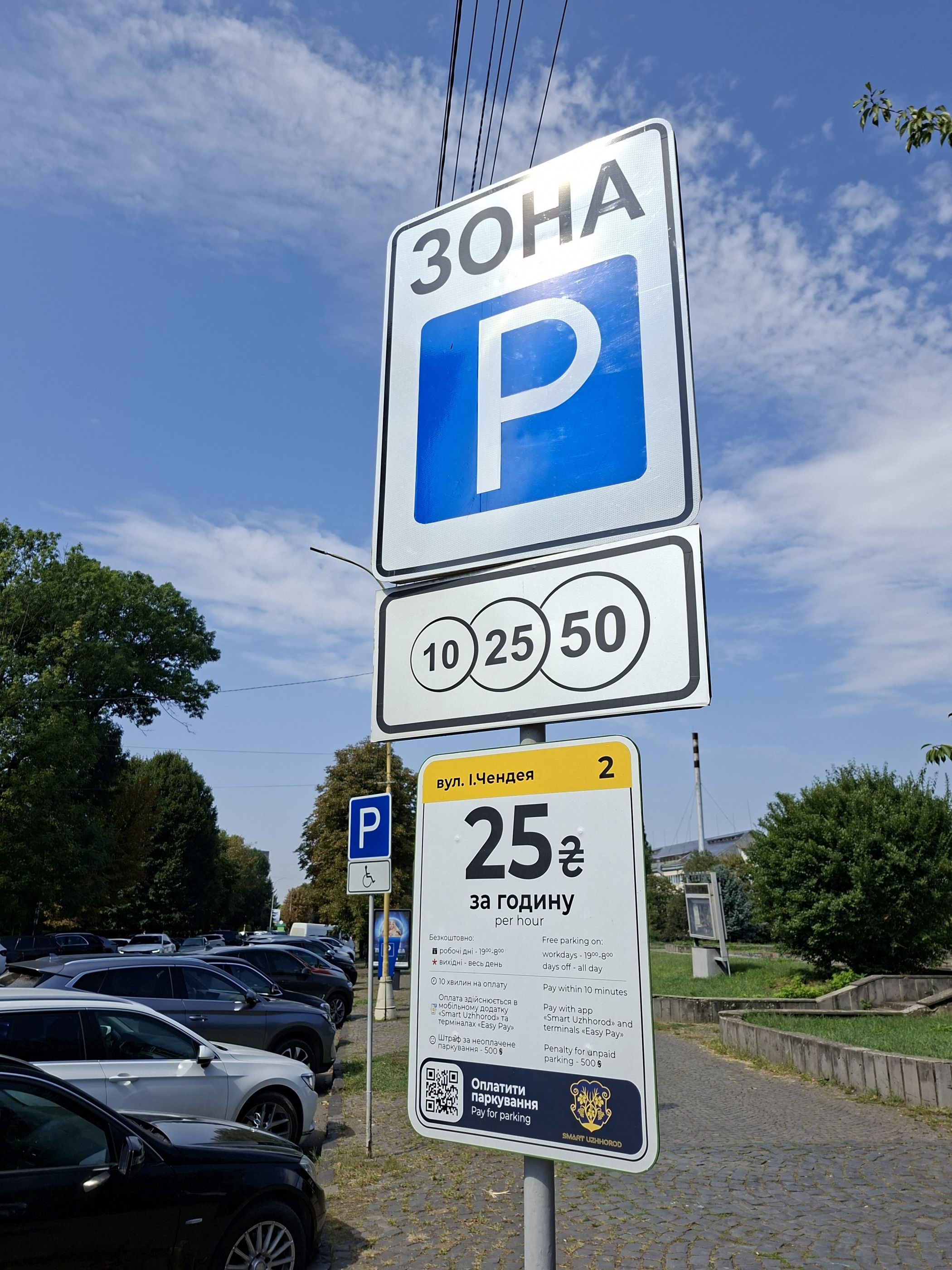
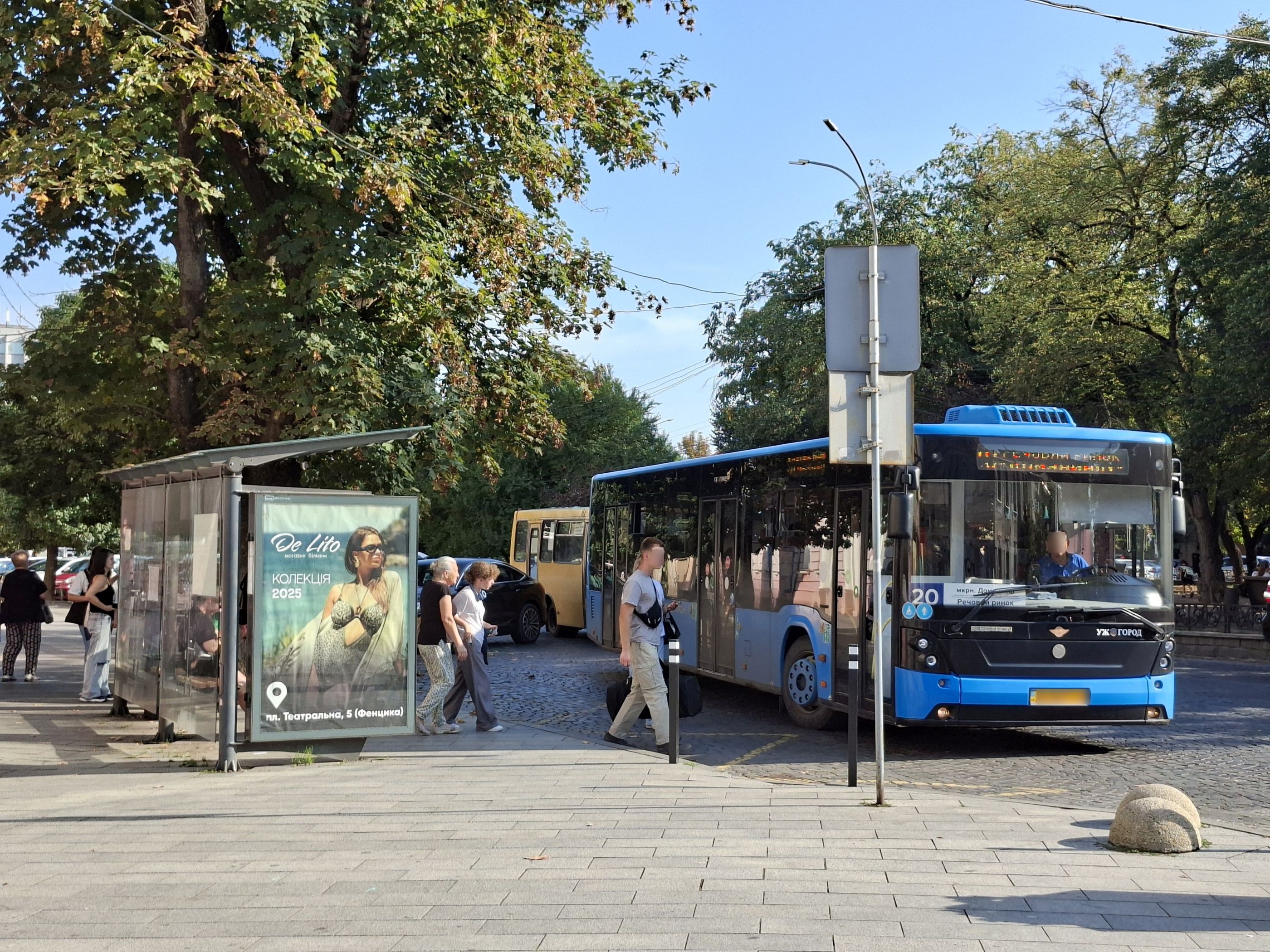
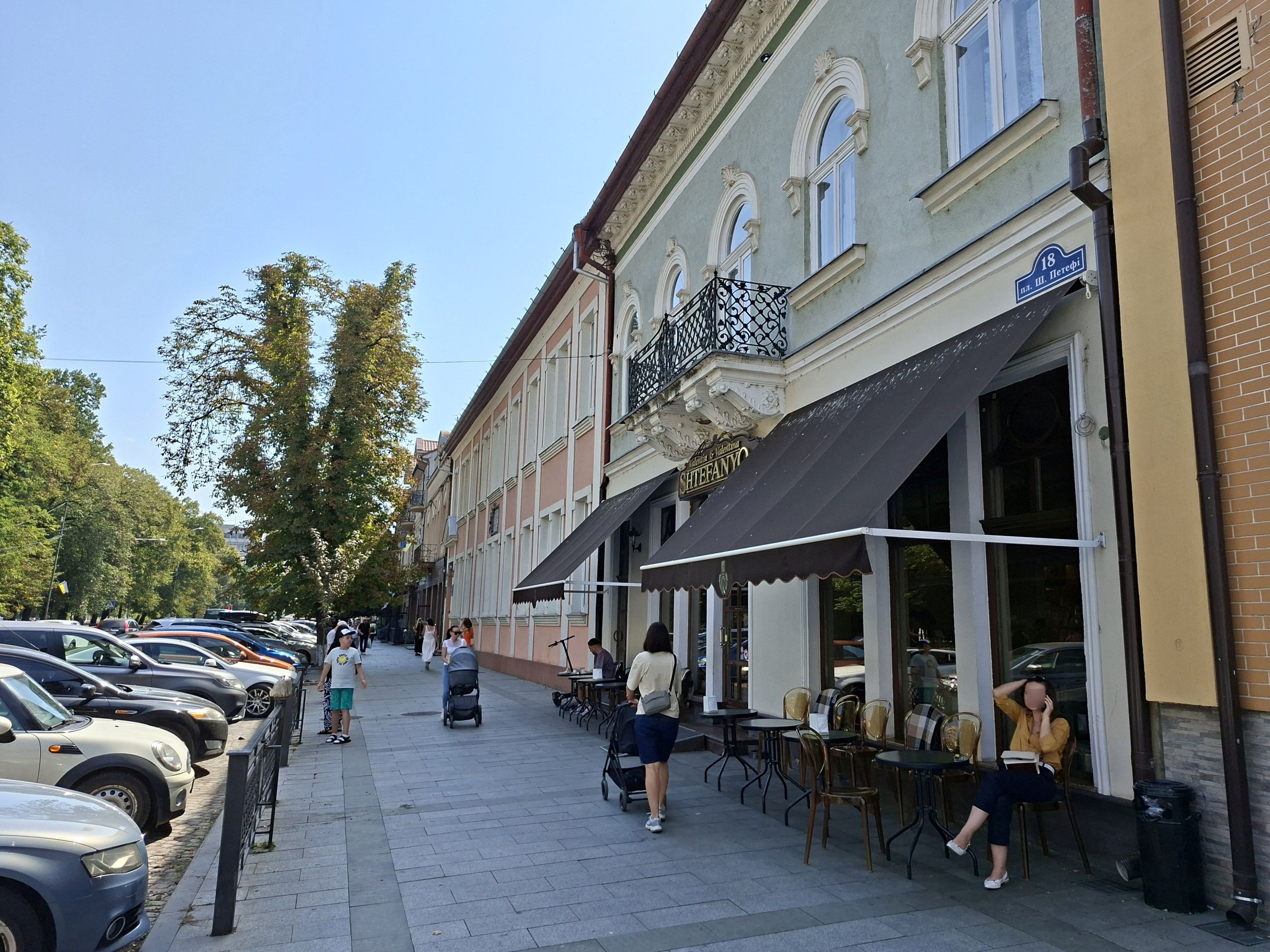
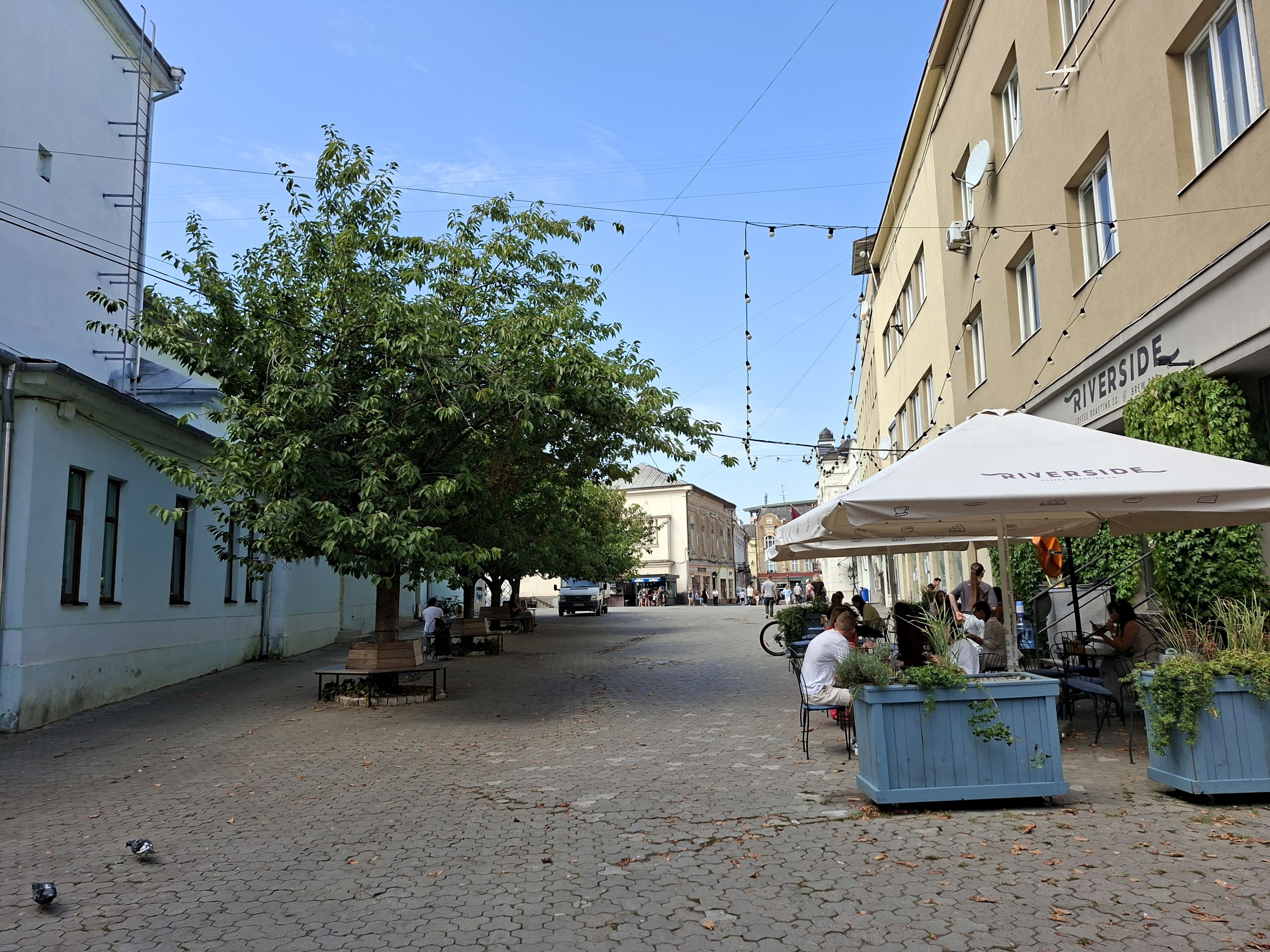
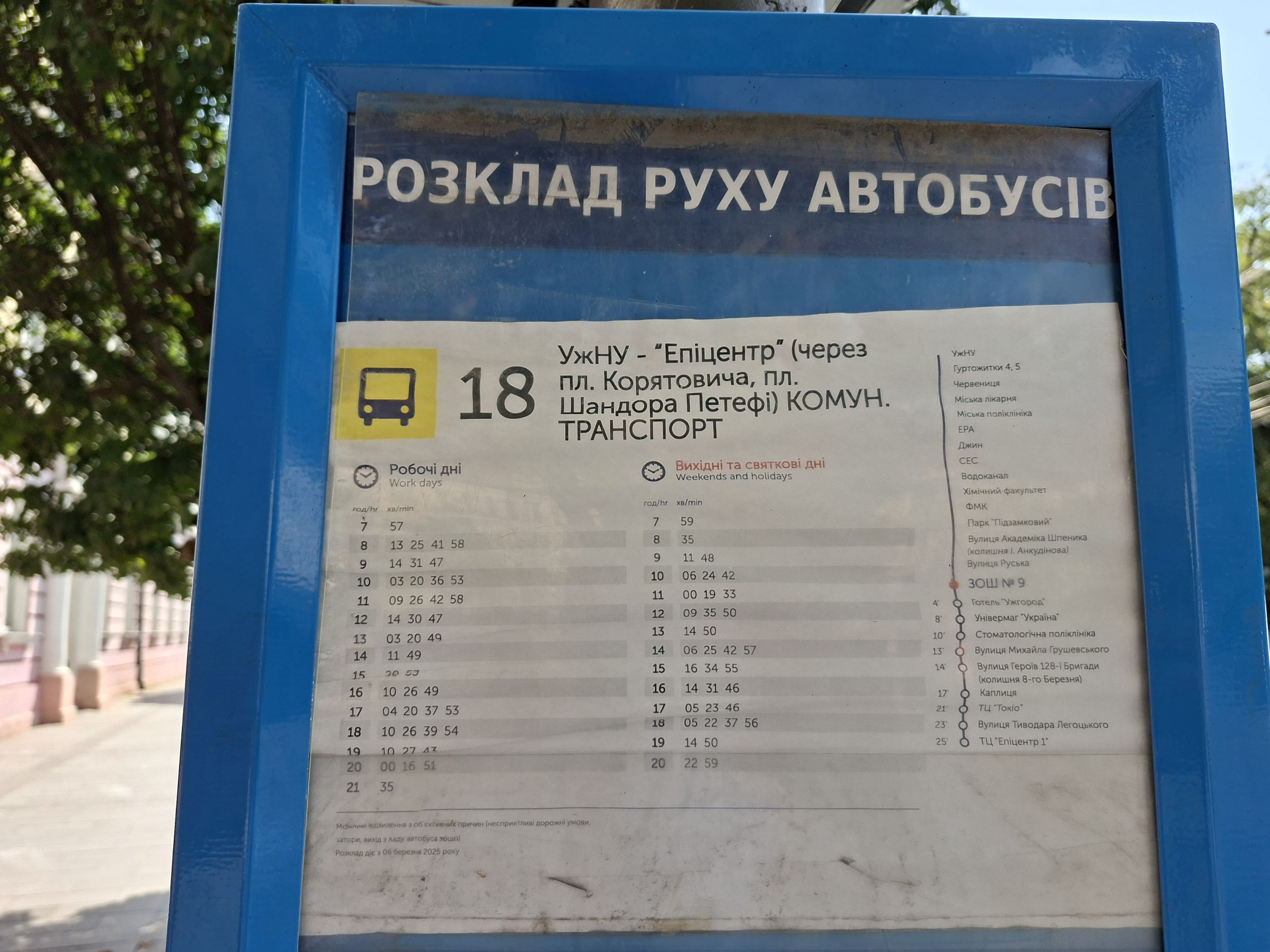
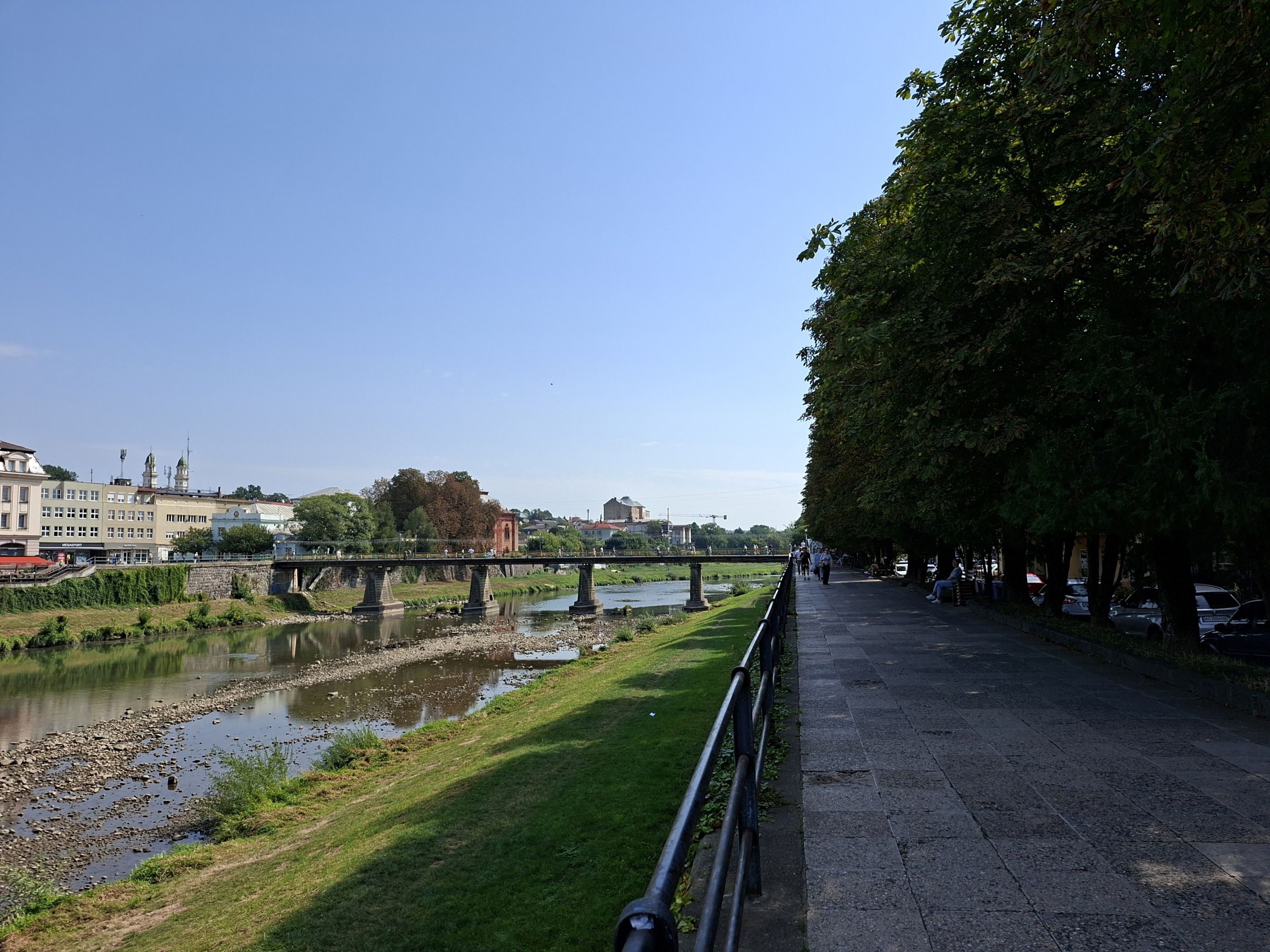
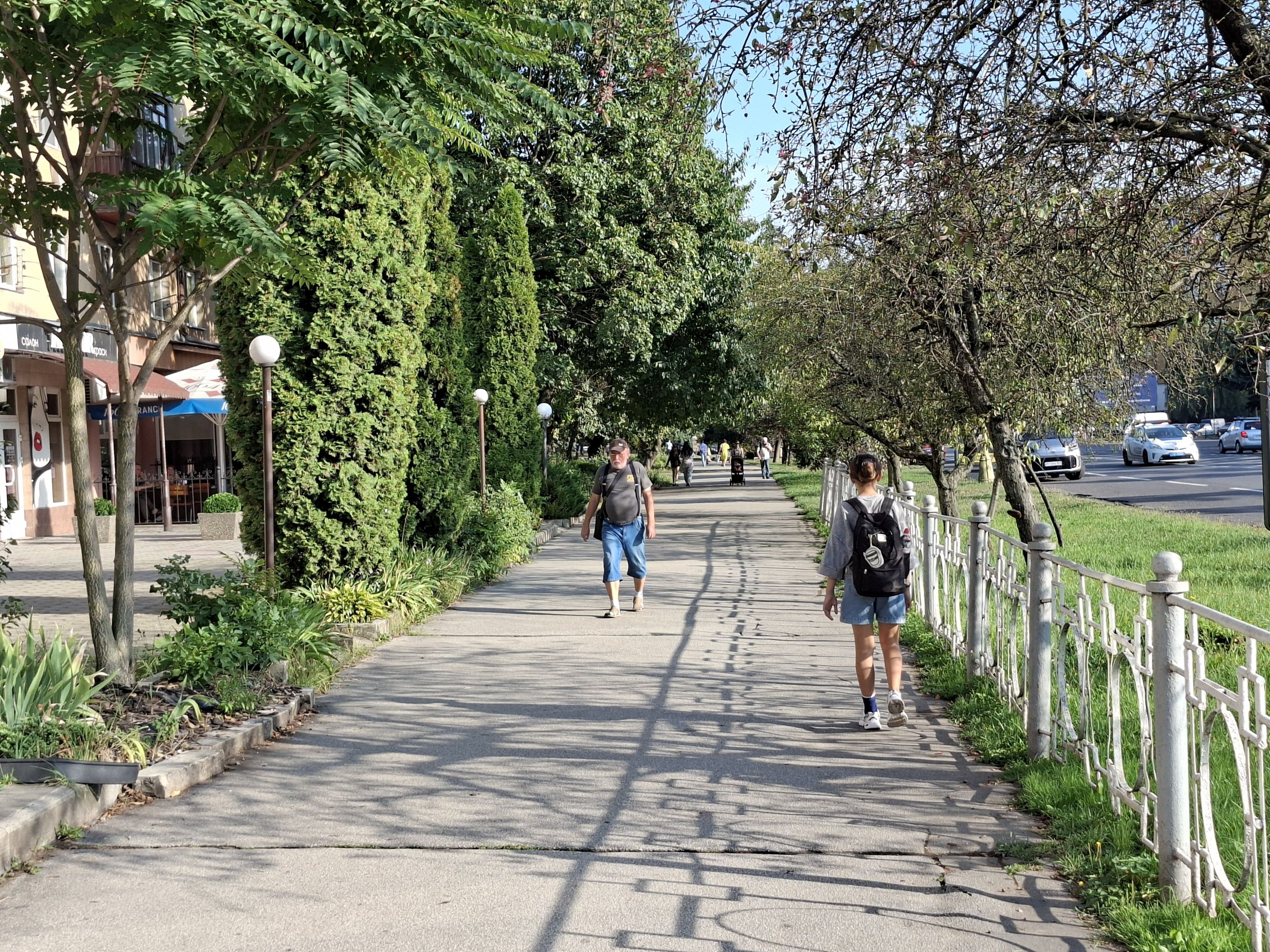
The number of people living in the city and the number of vehicles on the roads have increased as people have moved to safer places within the country, putting great pressure on the city's road network and parking system. Based on what we have seen, this can only be managed to a limited extent for the time being, although the first steps have already been taken with the introduction of paid parking in certain areas. The generous design of the main roads and the often wastefully wide road surfaces are contrasted by the embryonic cycling network and the highly mixed condition of the sidewalks (practically it has a different design and condition in front of each house), extremely narrow in many places, although the downtown pedestrian zone and footbridge are very popular. In terms of public transport, a significant step forward since our previous visit has been the local government's acquisition of its own bus fleet in 2018, taking over the leading role from the minibus services still operated by private companies.
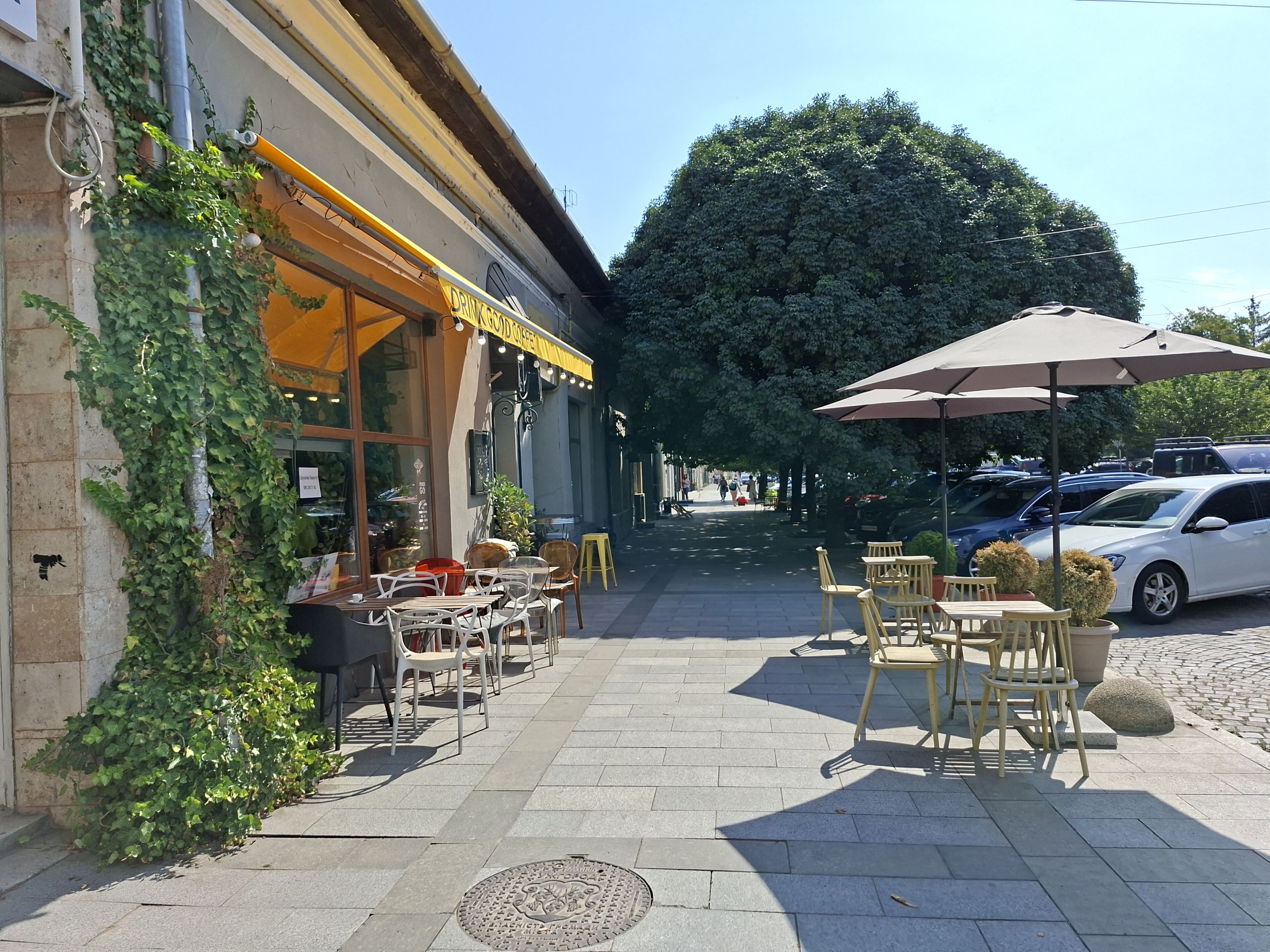
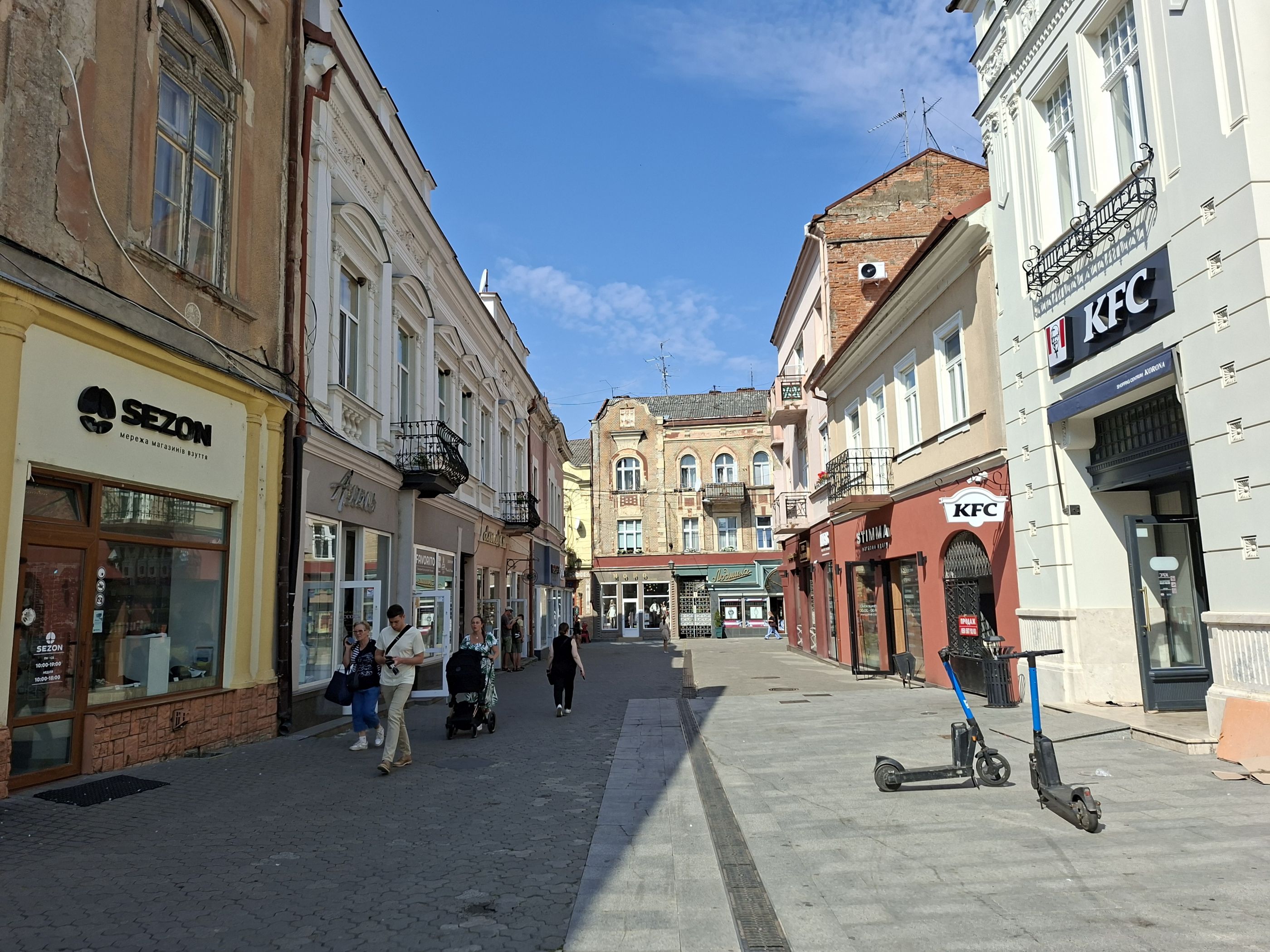
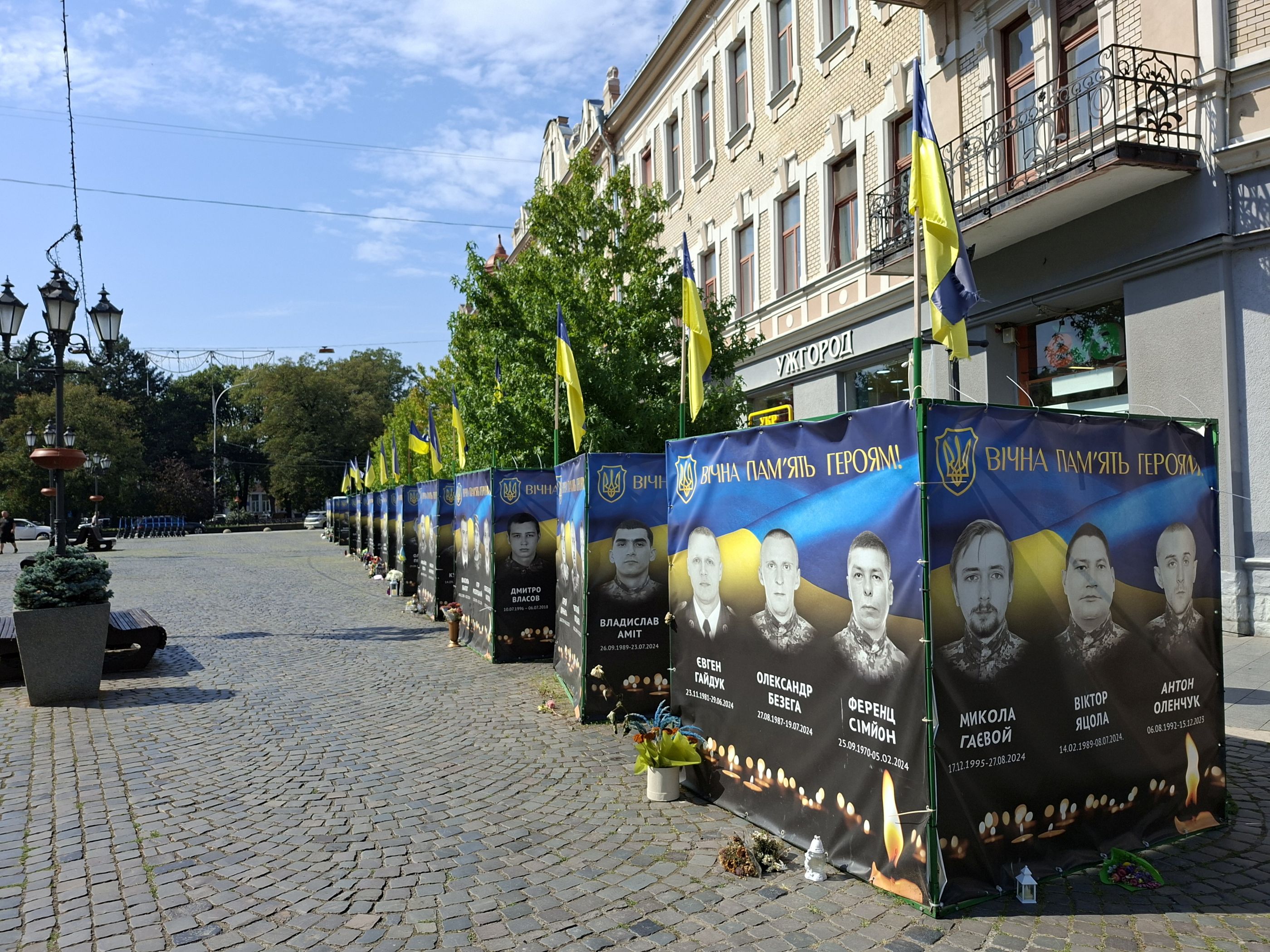
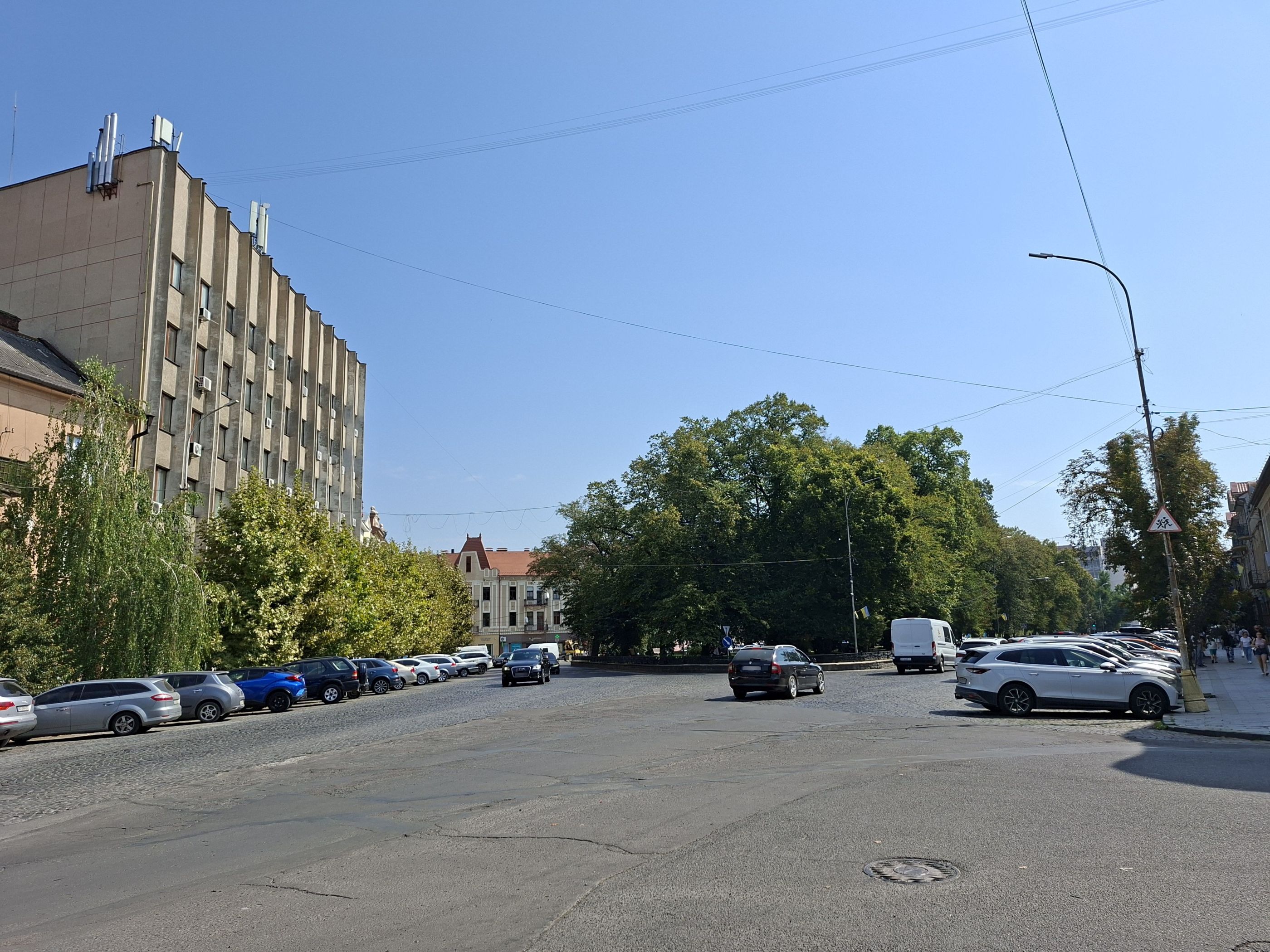
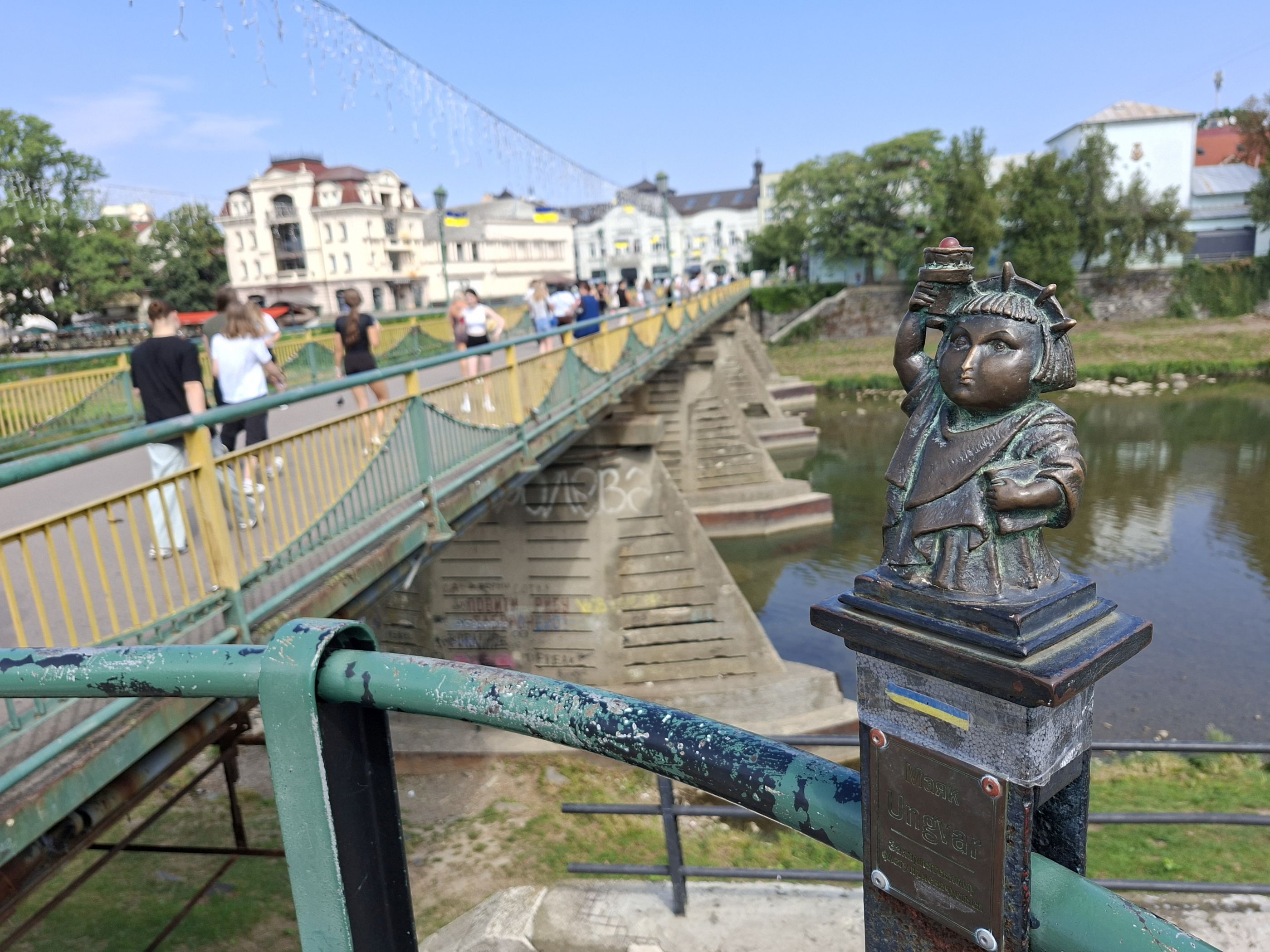
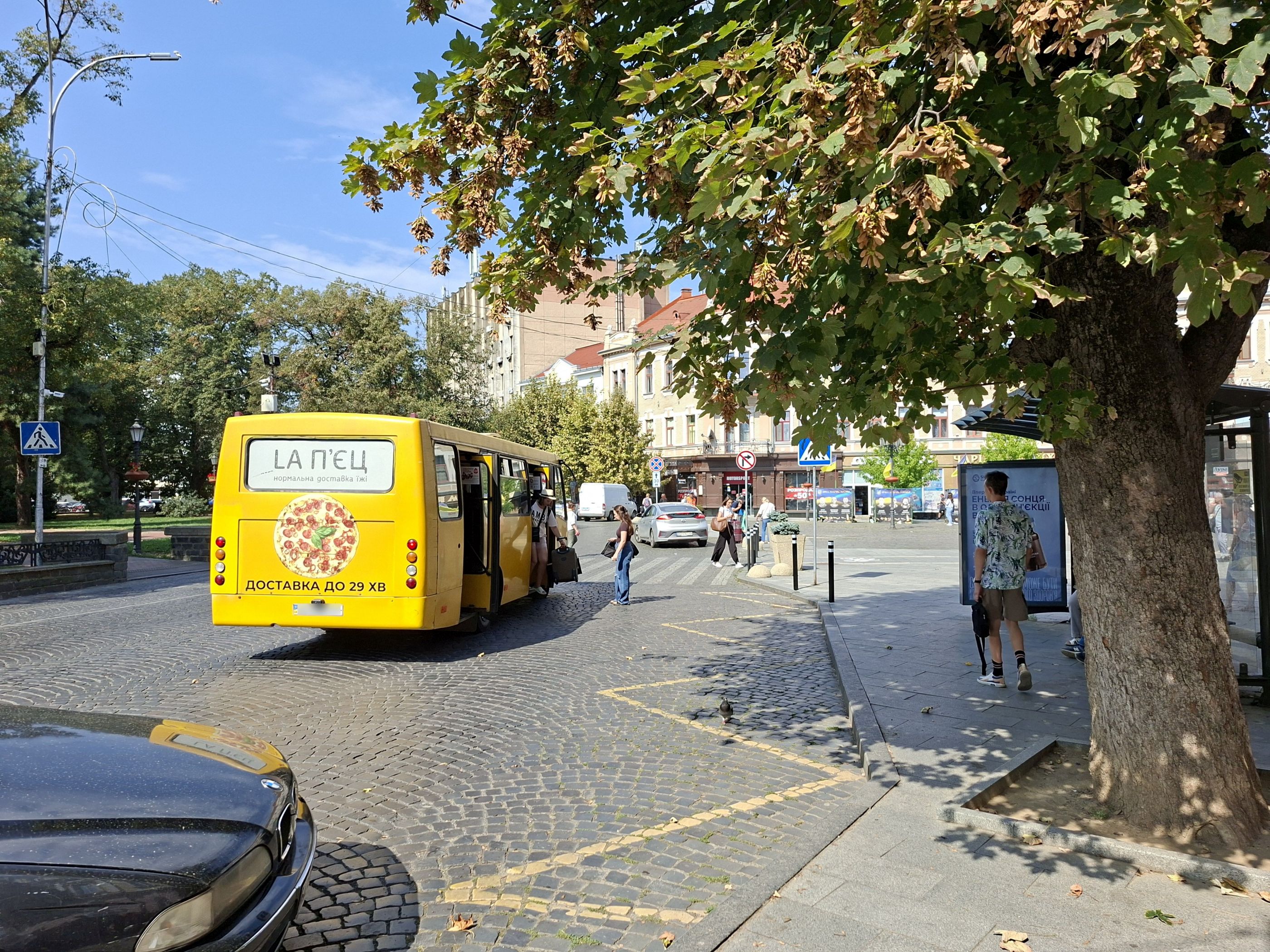
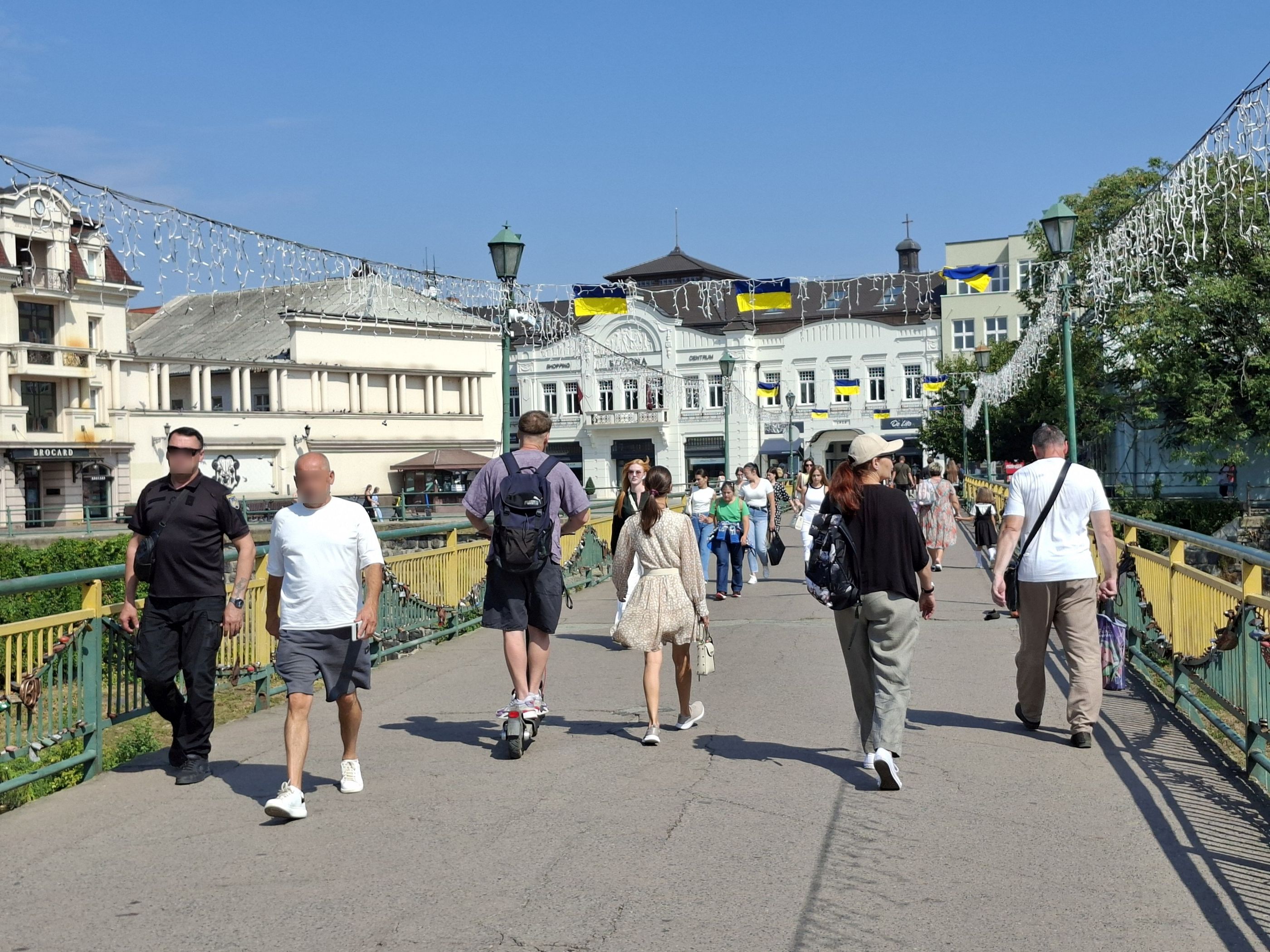
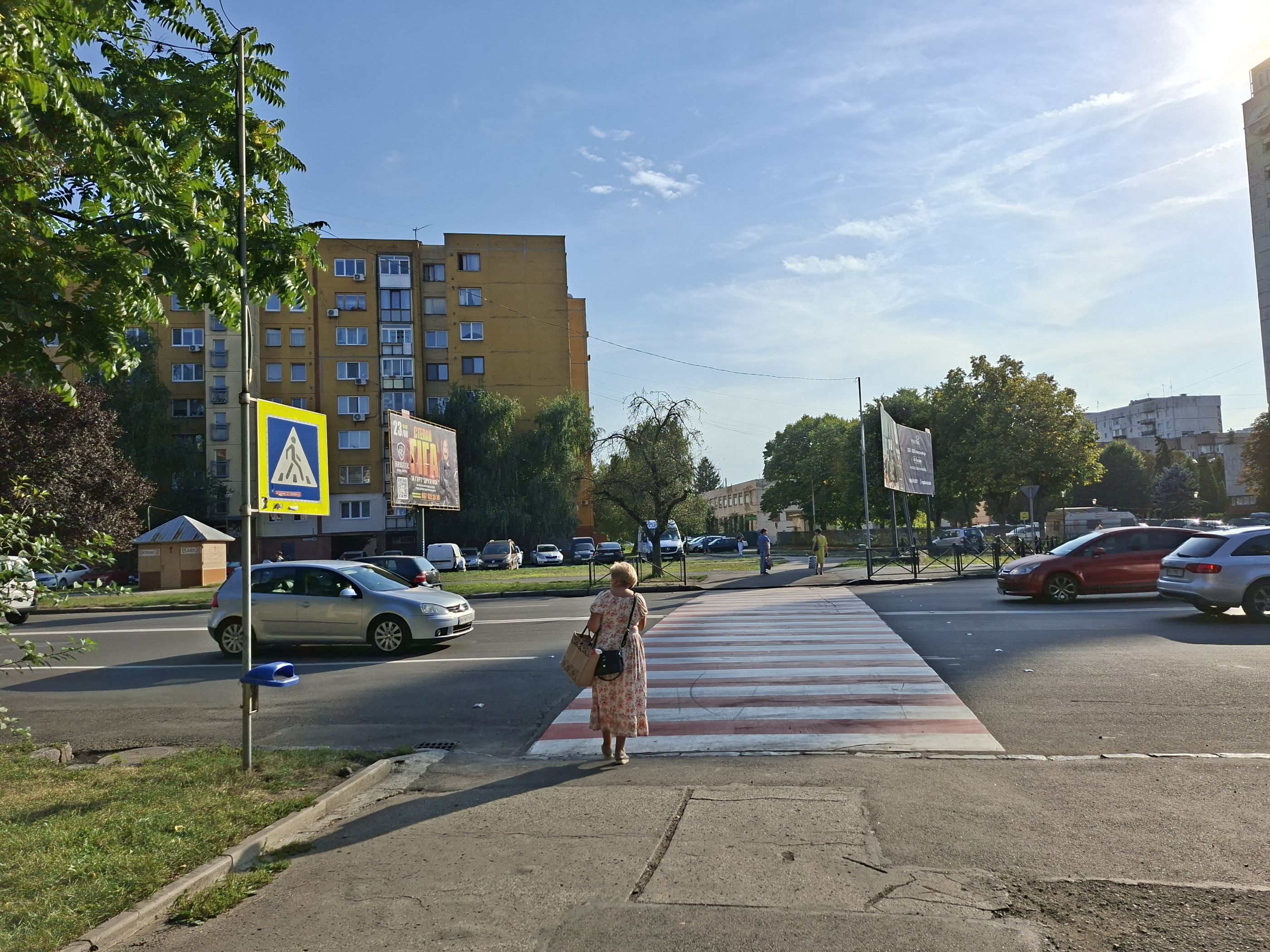
We are confident that we will soon be able to return to Uzhhorod under calmer circumstances, and that security concerns will be completely replaced by plans for reconstruction and further development.