Mór is the most important city in the eastern part of Fejér County, in the Mór Valley region. Thanks to the public services it provides (education, healthcare, commerce) and its significant industrial presence (Prof. Dr. Vendel Schindele Industrial Park), its catchment area extends beyond its administrative boundaries. The city’s Sustainable Urban Mobility Plan (SUMP) defines a long-term (30-year) strategy and a short-term action plan for transportation development.
Background and Objective of the Project
The objective of the Sustainable Urban Mobility Plan (SUMP) is to create a high-quality, accessible, safe, and clean transportation system for Mór and its functional urban area. The planning process—conducted in parallel with the Cycling Network Plan—was carried out in accordance with the EU’s methodological guidelines, supplemented by extensive consultations with residents and professional partners.
Key Findings and Areas of Intervention in the Mobility Plan
- Rail and bus transportation: rail line 5 between Székesfehérvár and Komárom offers competitive travel times, but its rolling stock is aging. The regional bus network is extensive, but local bus service is poorly integrated with it. The capacity of the well-maintained, modern bus station is not fully utilized.
- Road traffic and parking: Route 81, which runs through the city, handles significant transit and freight traffic. The height-restricted overpass on Deák Ferenc Street creates a bottleneck. In the city centre proper, there is overdemand for on-street parking.
- Bicycle and pedestrian traffic: although there are developed sections (e.g., toward Bodajk and Csókakő), the bicycle network is fragmented, with missing connections at intersections and no network links leading toward Pusztavám. Pedestrian areas in the city centre are good, but sidewalks and safe crosswalks are missing in many places in residential and industrial areas.
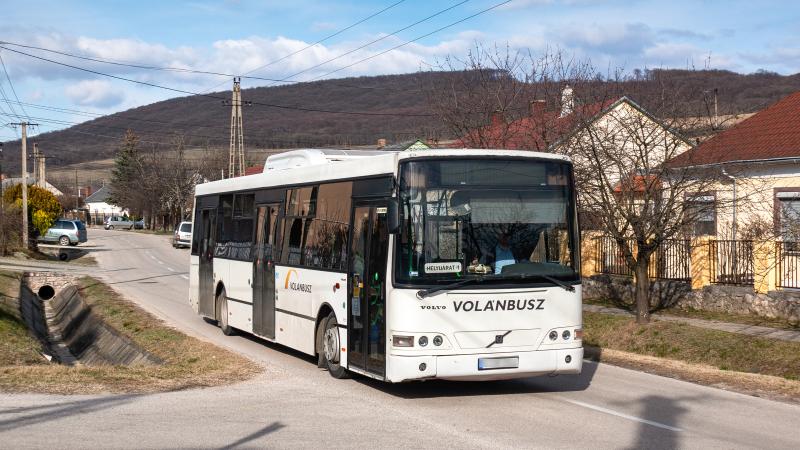
Local bus in Mór
Objectives and Measures
The SUMP sets out three main strategic objectives:
1. Improved long-distance and regional accessibility: implementing national projects affecting the Mór Valley transportation corridor (M200 motorway, rail line V0, Mór–Oroszlány main road) in a way that serves Mór and its surrounding area and strengthening regional connections.
2. A City of Short Distances: reducing vehicle traffic and parking pressure, rethinking downtown traffic management, ensuring the continuity of the pedestrian and bicycle network, and making local public transportation more convenient.
3. Efficient maintenance and development: digitizing city operations, establishing geographic information and traffic monitoring systems, and systematically renovating existing infrastructure.
In connection with these objectives, 17 measures and 57 projects were identified, which we evaluated using a multi-criteria analysis, prioritized, and organized into implementation schedules.
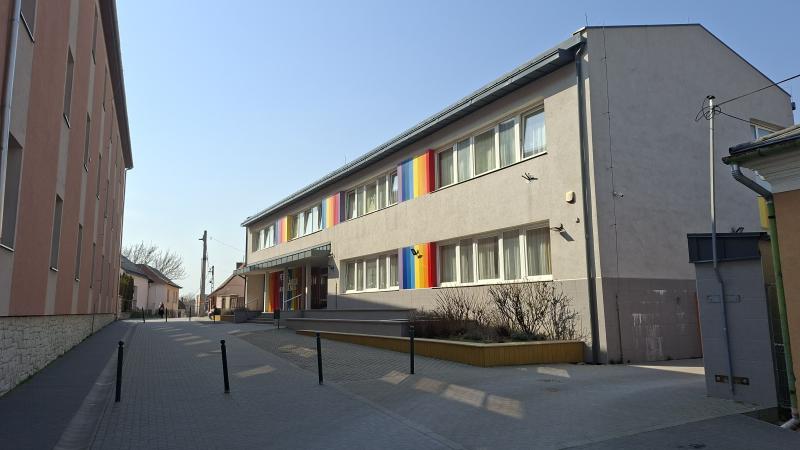
School street in Mór
Client:
City of Mór
Year of fulfilment:
2026